

Minimalism vs. Maximalism: Which Design Approach Boosts Workplace Creativity?
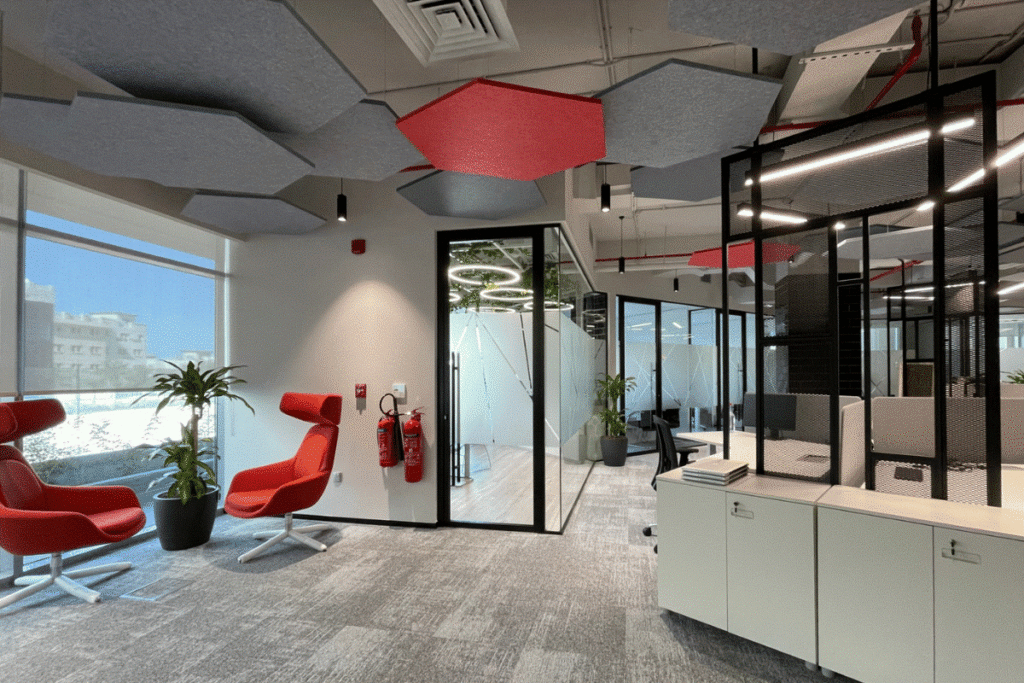
The design of your workspace profoundly impacts employee creativity, productivity, and overall well-being. As businesses in Dubai increasingly recognise the connection between environment and performance, a fundamental question emerges: Does creativity flourish better in minimalist calm or maximalist stimulation? Understanding the psychological effects of each design approach helps businesses make informed decisions when investing in professional interior design in Dubai. The Case for Minimalism Minimalist design strips away excess, focusing on clean lines, neutral palettes, and intentional negative space. This approach, popularised by Scandinavian and Japanese design philosophies, has dominated modern office design for good reason. Reduced Cognitive Load: Minimalist environments reduce visual clutter, which decreases cognitive load. When the brain isn’t processing excessive visual stimuli, mental resources become available for creative thinking and problem-solving. Research suggests that clutter competes for attention, reducing working memory capacity and increasing stress levels. Enhanced Focus: Clean, uncluttered spaces help employees maintain concentration on tasks. For work requiring deep focus, coding, writing, and financial analysis, minimalist design creates ideal conditions. The absence of distracting elements allows sustained attention, which is crucial for complex creative work. Timeless Flexibility: Minimalist interiors age gracefully and adapt easily to changing needs. Neutral foundations allow for simple updates through accent pieces or artwork, making minimalism cost-effective long-term. For businesses experiencing growth or evolution, this flexibility proves invaluable. Calming Atmosphere: The visual simplicity of minimalist design promotes psychological calm. Reduced stress levels create mental space where creativity can emerge naturally. Many Dubai businesses choose minimalist interior designing in Dubai specifically to create peaceful environments that counterbalance the city’s high-energy atmosphere. The Hybrid Solution Rather than choosing exclusively between minimalism and maximalism, forward-thinking businesses are embracing hybrid approaches that leverage both philosophies strategically. Zoned Design: Create minimalist zones for focused work and maximalist areas for collaboration and creativity. This acknowledges that different tasks require different environmental support. Private offices might feature minimalist calm, whilst brainstorming rooms embrace bold colours and stimulating patterns. Controlled Maximalism: Incorporate maximalist elements within minimalist frameworks. A predominantly neutral space might feature one vibrant accent wall, bold artwork, or rich textural elements. This approach provides visual interest without overwhelming cognitive capacity. Personalisation Options: Allow employees to customise their immediate workspaces within overall design parameters. Some individuals thrive in minimal environments, whilst others need visual stimulation. Professional interior designing in Dubai can create flexible systems accommodating diverse preferences. What Research Suggests Studies indicate that the ideal environment depends on the work being performed. Analytical tasks benefit from minimal distraction, whilst creative ideation often benefits from moderate visual complexity. The sweet spot appears to be organised complexity, spaces with visual interest that’s intentionally curated rather than chaotic. Industry also matters. Tech companies and financial firms often gravitate towards minimalism, whilst creative agencies and hospitality businesses frequently embrace maximalist energy. Understanding your specific industry needs and company culture is essential. Making the Right Choice The minimalism versus maximalism debate isn’t about declaring a universal winner; it’s about identifying what serves your specific business objectives, company culture, and employee needs. Consider your team’s primary work types, your brand identity and values, your industry norms and client expectations, and your employees’ preferences and working styles. Professional interior designers can assess these factors and create environments that genuinely support your business goals. Ready to create a workspace that inspires creativity and enhances productivity? Westbrook Interiors specialises in sophisticated interior design in Dubai, crafting bespoke office environments that balance aesthetic vision with functional excellence. Whether you envision minimalist elegance, maximalist energy, or a thoughtful hybrid approach, our team creates spaces where your business and people thrive. Contact us today to begin your transformation.
Flexible Workspaces: How Adaptive Office Design Supports Hybrid Teams
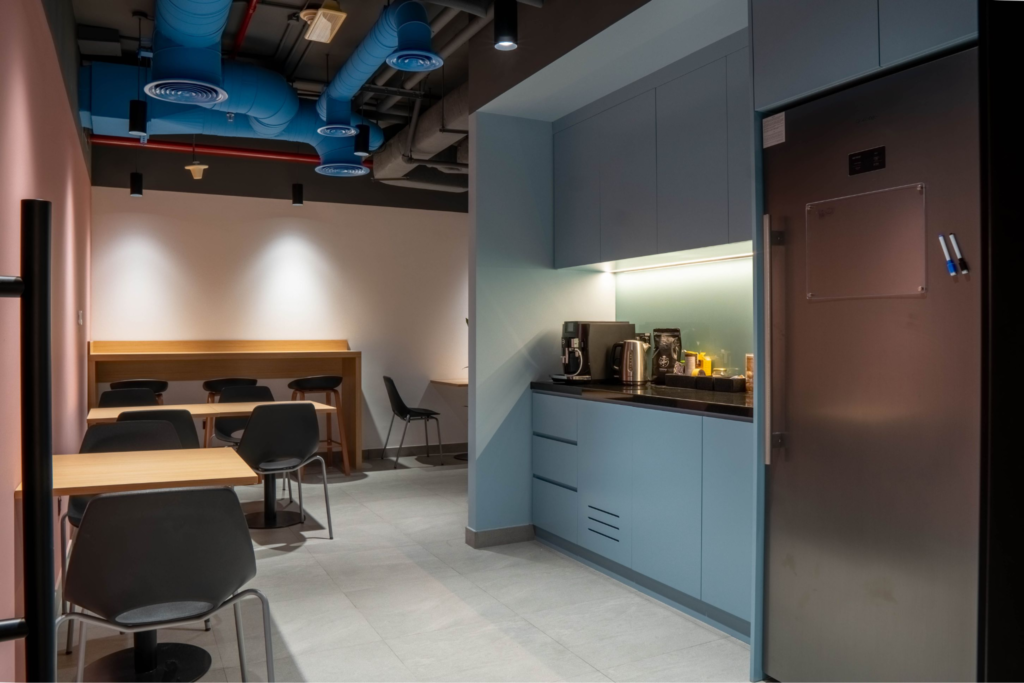
The modern workplace has fundamentally changed. With hybrid work models now standard practice, offices must evolve beyond traditional assigned desks and rigid layouts. Today’s successful workspaces adapt to diverse work styles, facilitate seamless collaboration, and create compelling reasons for employees to choose the office over working from home. The Hybrid Work Reality Hybrid work is no longer experimental, it’s foundational to modern workforce strategy. Over half of employees with remote-capable positions prefer hybrid arrangements, splitting time between home and office. This shift has redefined what offices must deliver, making corporate office interior design more critical than ever. Traditional layouts built around individual workstations no longer serve teams that flow between locations. Modern offices must justify the commute by offering experiences and collaboration opportunities that cannot be replicated remotely. This is where partnering with an experienced Interior Design Contractor in Dubai becomes essential. Essential Zones in Adaptive Design Effective flexible workspaces incorporate distinct zones serving specific purposes while maintaining overall cohesion. Collaboration Hubs serve as natural gathering points where teams connect without disrupting focused work. These spaces feature flexible furniture arrangements, writable surfaces for impromptu ideation, built-in audiovisual technology for hybrid meetings, and acoustic considerations balancing energy with privacy. When designed thoughtfully, collaboration hubs become magnetic spaces where purposeful teamwork happens organically. Focus Zones address the critical need for uninterrupted concentration. While open plans encourage collaboration, they can create noise challenges. Smart corporate office interior design incorporates quiet rooms with soundproofing, private pods for calls, acoustic panels absorbing sound, and clearly defined boundaries signaling when someone needs undisturbed time. Social Spaces recognize that offices serve cultural functions beyond task completion. Hospitality-inspired lounges with comfortable seating, café-style spaces encouraging informal interaction, wellness zones including meditation rooms, and casual meeting spots all contribute to workplaces where people genuinely want to spend time. Hot Desking maximizes space utilization while giving employees choice. Rather than maintaining empty assigned desks, flexible workspaces use booking systems allowing employees to reserve spaces matching daily needs. This approach reduces real estate costs while supporting hybrid schedules. Technology Integration: The Digital Backbone Flexible workspaces rely on robust technology infrastructure enabling seamless transitions between remote and in-office work. Essential components include standardized video conferencing in every meeting space, reliable high-speed connectivity, desk booking platforms providing real-time availability, smart building systems adjusting lighting based on occupancy, and integrated cable management. A skilled Interior Design Contractor in Dubai coordinates these technology requirements early, preventing expensive retrofits and ensuring technology enhances rather than hinders employee experience. Design Principles Supporting Hybrid Success Modularity is fundamental. Furniture, partitions, and fixtures should be easily reconfigurable without major construction. This allows organizations to adapt as team sizes change or work patterns evolve. Diversity of Options ensures employees find spaces matching immediate needs. Effective corporate office interior design offers variety, different seating styles, various noise levels, options for standing or sitting, areas for collaboration and solitude. Data-Driven Optimization removes guesswork from space planning. Sensors tracking usage patterns, booking analytics, and employee feedback reveal how spaces are actually used. Most offices now operate below 50% occupancy, supporting decisions to reduce fixed desks while expanding collaboration zones. Human-Centric Design keeps employee wellbeing central. This includes ergonomic furniture, biophilic elements like natural light and plants, inclusive design accommodating diverse abilities, and thermal and acoustic comfort. Biophilic Design and Sustainability Incorporating nature into office interiors has become essential. Living walls create striking visual anchors while purifying air. Maximizing natural light through larger windows improves mood and energy. Indoor plants enhance aesthetics while contributing to better air quality. Natural materials like wood and stone add warmth that sterile corporate materials cannot match. Flexible workspace design naturally aligns with sustainability goals. Modular systems designed for longevity reduce waste compared to fixed buildouts. Energy-efficient LED lighting with occupancy sensors and smart HVAC responding to usage patterns reduce operational costs while minimizing environmental impact. Creating Compelling Destinations The most important function of flexible design is creating offices employees actively want to visit. When people can work effectively from home, coming to the office must offer something valuable, superior technology, inspiring environments, meaningful collaboration, or the energy and community remote work cannot replicate. A qualified Interior Design Contractor in Dubai understands these dynamics and brings both creative vision and practical expertise. By thoughtfully designing spaces supporting hybrid teams’ diverse needs, organizations signal they understand modern work patterns and prioritize employee experience. The future of work is flexible, and offices embracing this reality through strategic planning and expert execution will define success in the years ahead. Ready to transform your workspace for the hybrid era? Westbrook Interiors specializes in creating flexible office environments that inspire productivity and support modern work styles. Our expert team combines innovative design solutions with deep understanding of corporate needs to deliver workspaces that employees love. Contact Westbrook Interiors today to discuss how we can reimagine your office for tomorrow’s workplace. Visit www.westbrook-interiors.com to explore our portfolio and start your transformation journey.
Ergonomics in Action: Features Every Future-Ready Office Should Include
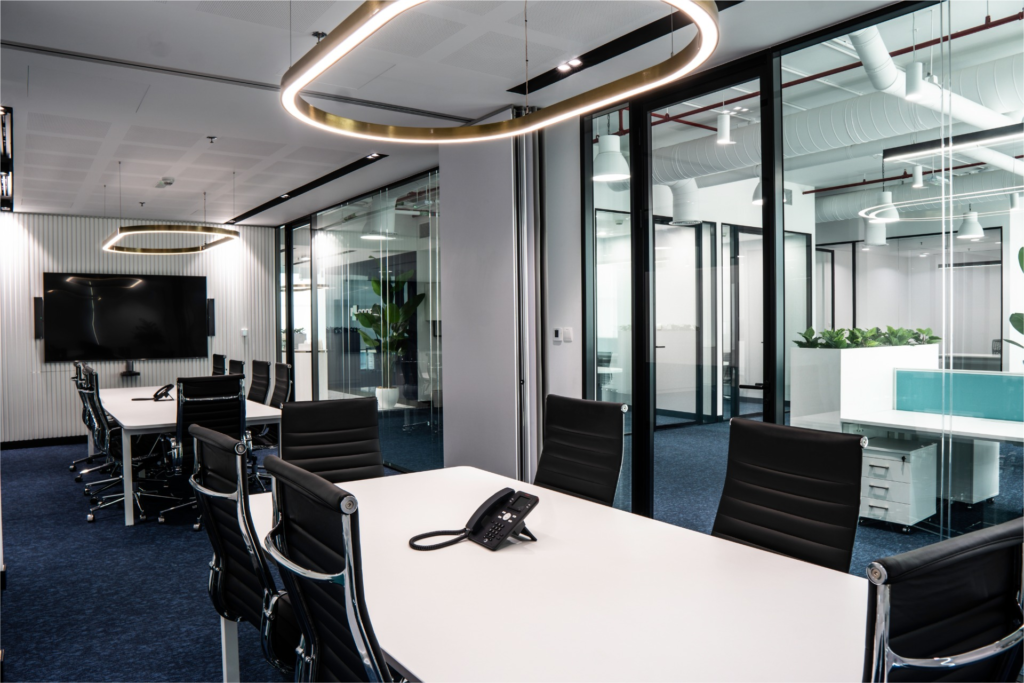
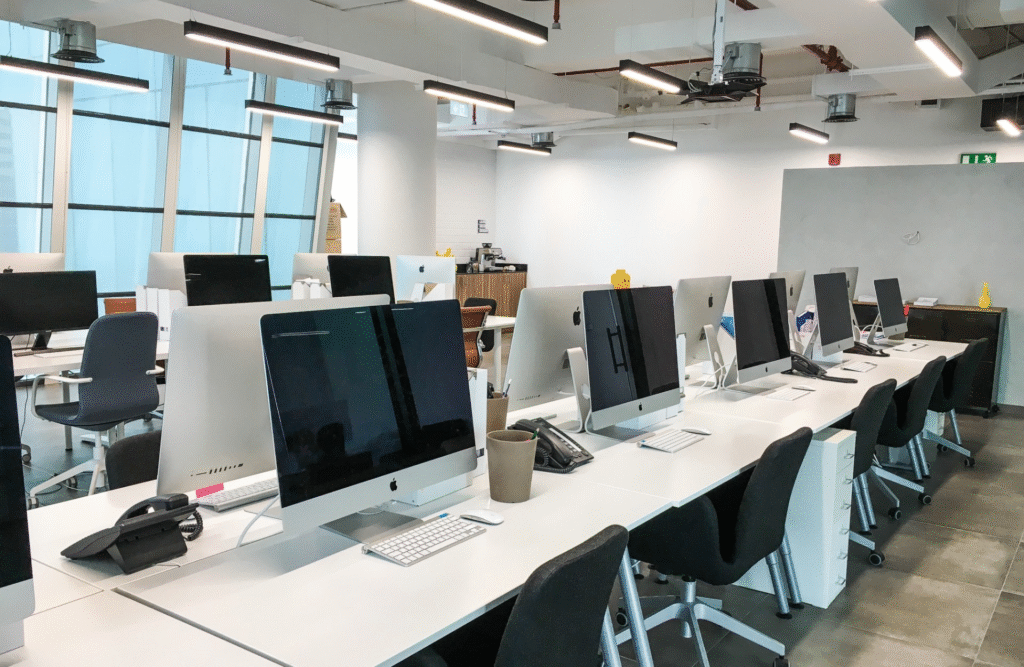
The modern workplace has evolved beyond traditional desk arrangements and static seating. Today’s employees spend an average of eight hours at their workstations, making ergonomic design not just a luxury but a fundamental requirement for productivity, health, and employee satisfaction. Forward-thinking organisations recognise that investing in ergonomic office design directly impacts performance metrics, reduces absenteeism, and enhances talent retention. As businesses compete for top professionals in Dubai’s dynamic market, the physical workspace has become a strategic differentiator. Height-Adjustable Workstations: The Foundation of Flexibility Sit-stand desks have transitioned from wellness trend to workplace standard. Research demonstrates that alternating between sitting and standing throughout the day reduces musculoskeletal discomfort, improves circulation, and increases energy levels. An experienced office interior fit-out company in Dubai can integrate electric height-adjustable desks seamlessly into your workspace design, ensuring adequate power access, appropriate spacing, and aesthetic coherence. The key lies in making height adjustment effortless. Employees are more likely to change positions when controls are intuitive and transition is smooth. Quality systems include programmable memory settings, quiet motors, and collision detection technology. When planning your office layout, an office interior design company in Dubai will calculate desk spacing to accommodate standing positions without creating cramped conditions or impeding circulation. Task Lighting: Reducing Eye Strain and Fatigue Overhead fluorescent lighting belongs to the past. Contemporary offices require layered lighting strategies that combine ambient illumination with individual task lighting. Employees working on detailed documents need different light levels than those primarily using computers. Adjustable LED task lights allow personalisation whilst reducing the harsh glare that causes eye strain and headaches. Colour temperature matters significantly. Cooler light (4000K-5000K) promotes alertness and focus, making it ideal for detailed analytical work. Warmer tones (3000K-3500K) create comfortable environments for collaborative spaces. A professional office interior design company in Dubai will specify lighting systems that support various tasks whilst maintaining visual comfort and energy efficiency. Ergonomic Seating: Beyond Basic Comfort Office chairs represent one of the most critical ergonomic investments. Quality seating provides lumbar support, adjustable armrests, seat depth adjustment, and breathable materials. Cheap seating creates long-term health costs far exceeding initial savings. Look for chairs certified to international standards (BIFMA, EN 1335) with warranties reflecting manufacturer’s confidence. Features should include synchro-tilt mechanisms that maintain proper back support during recline, waterfall seat edges preventing circulation restriction, and intuitive adjustment controls that employees actually use. Acoustic Management: The Overlooked Ergonomic Factor Noise pollution significantly impacts concentration and stress levels. Open-plan offices require acoustic strategies, including sound-absorbing panels, acoustic ceiling tiles, white noise systems, and strategic placement of collaboration zones away from focus areas. An office interior fit-out company in Dubai, experienced in ergonomic design, will conduct acoustic assessments and implement solutions balancing collaboration with concentration. Technology Integration: Supporting Modern Work Styles Future-ready offices accommodate various work modes. This requires accessible power and data connections at workstations, collaboration areas, and breakout spaces. Cable management systems prevent trip hazards and visual clutter. Wireless charging surfaces are integrated into desks and tables. Monitor arms allowing screen positioning at the proper eye level. An office interior design company in Dubai, familiar with technology requirements, will plan infrastructure supporting current needs whilst providing flexibility for future adaptations. This includes adequate electrical capacity, structured cabling pathways, and modular furniture systems accommodating equipment changes. Creating Your Ergonomic Workspace Ergonomic office design represents an investment in your organisation’s most valuable asset: your people. By prioritising employee wellbeing through thoughtful design, you create environments where productivity flourishes, and talent thrives. Transform Your Workplace with Expert Design Westbrook Interiors specialises in creating ergonomic office environments that enhance productivity and employee wellbeing. As a leading office interior fit-out company in Dubai, we combine technical expertise with design excellence to deliver workspaces that support your team’s success. Visit us to discuss how we can transform your office into a future-ready environment where your team performs at their best.
The Future of Collaboration Spaces: Innovative Solutions for Teamwork
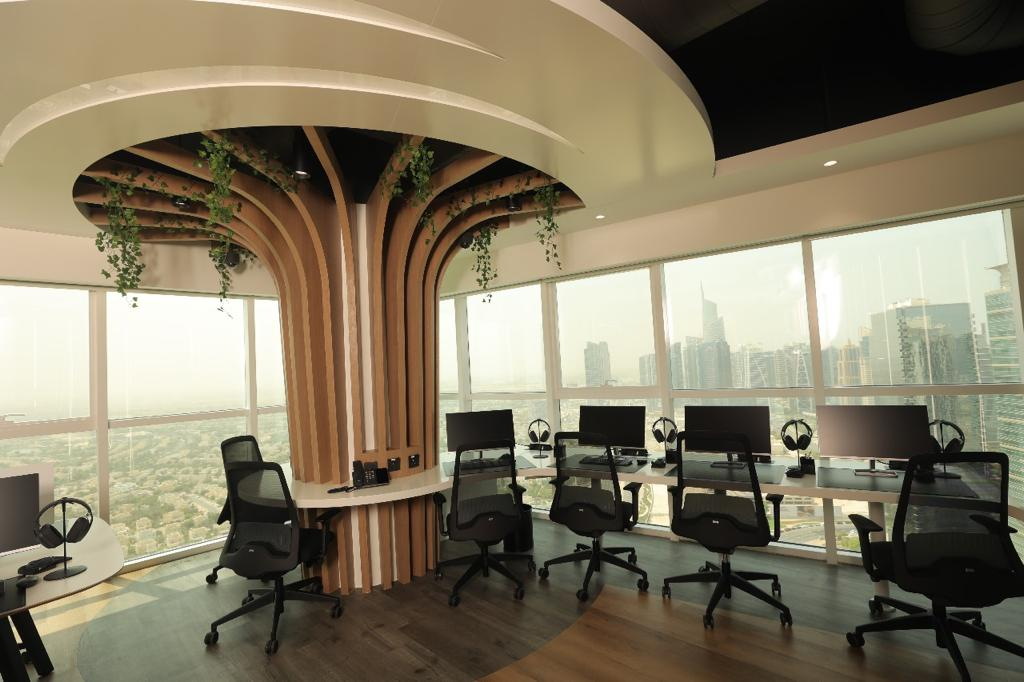
The days of booking a conference room for every team discussion have ended. Modern organisations recognise that collaboration happens organically, spontaneously, and in diverse formats. Today’s workplaces must accommodate everything from quick stand-up meetings to intensive design thinking sessions, from hybrid video conferences to creative brainstorming workshops. The challenge lies in creating spaces that support this variety whilst maintaining flexibility for unpredictable future needs. Forward-thinking companies are reimagining collaboration spaces not as fixed conference rooms but as dynamic ecosystems that adapt to how teams actually work. Modular Furniture Systems: Flexibility as Standard Traditional conference tables anchored to the floor represent yesterday’s thinking. Contemporary collaboration spaces utilise modular furniture systems that reconfigure within minutes. Mobile whiteboards, nesting tables, and stackable seating allow teams to create the exact environment their work requires. A morning strategy session needs a different spatial arrangement than an afternoon design workshop. Working with the best fit-out company in Dubai ensures these systems integrate seamlessly with power distribution, data connectivity, and acoustic requirements. Quality modular systems include concealed casters for smooth movement, integrated cable management, and robust construction, withstanding frequent reconfiguration. The flexibility proves invaluable as team sizes fluctuate and work styles evolve. Technology-Enabled Hybrid Collaboration Remote and hybrid work models have fundamentally changed collaboration requirements. Spaces must support seamless interaction between in-office and remote participants. This demands more than simply mounting a screen in the room. Effective hybrid spaces include multiple cameras capturing all participants, ceiling microphone arrays eliminating audio dead zones, digital whiteboards that remote participants can access simultaneously, and intuitive control systems anyone can operate without technical support. The best fit-out company in Dubai will design technology infrastructure that remains invisible until needed, integrating displays flush with walls, concealing cabling within furniture and architectural elements, and positioning equipment to avoid creating visual barriers between participants. Acoustic Design: The Collaboration Enabler Open collaboration spaces create a significant challenge: containing sound to prevent disturbing adjacent work areas. Successful designs employ acoustic panels that double as design features, sound-masking systems providing ambient background noise, strategic placement separating collaboration zones from focus areas, and glass partitions with acoustic ratings maintaining visual openness whilst controlling sound transmission. These solutions require expertise in material specifications and spatial planning. Collaborating with professionals who understand acoustic engineering ensures your collaboration spaces enhance rather than disrupt overall workplace productivity. Biophilic Elements: Creativity Through Nature Research consistently demonstrates that natural elements improve creative thinking and problem-solving. Progressive collaboration spaces incorporate living walls bringing nature indoors, natural materials including wood and stone, abundant natural light through strategic positioning, and views to outdoor spaces where possible. These elements reduce stress, improve air quality, and create environments where creative thinking flourishes. Zones for Different Collaboration Styles Not all collaboration requires the same environment. Future-ready workplaces include brainstorming zones with writeable surfaces and flexible seating, focus collaboration areas for small team intensive work, presentation spaces for client meetings and formal reviews, and social collaboration areas encouraging informal knowledge sharing. Each zone requires different furniture, technology, and acoustic treatment. The best fit-out company in Dubai will conduct workflow analysis to determine appropriate space allocation and design specifications for each collaboration type. Designing for Tomorrow’s Teams The collaboration spaces you create today must serve needs that haven’t emerged yet. This requires designing for adaptability, investing in quality systems that accommodate change, and partnering with specialists who understand both current best practices and emerging trends. Create Collaboration Spaces That Inspire Westbrook Interiors designs innovative collaboration environments that transform how teams work together. Our expertise in flexible design, technology integration, and human-centred workplaces ensures your collaboration spaces support productivity today whilst adapting to tomorrow’s requirements. Visit westbrook-interiors.com to explore how we can create collaboration spaces where your teams do their best work. Let’s design the future of teamwork together.
Office Design Consultation: What to Expect in Your First Meeting
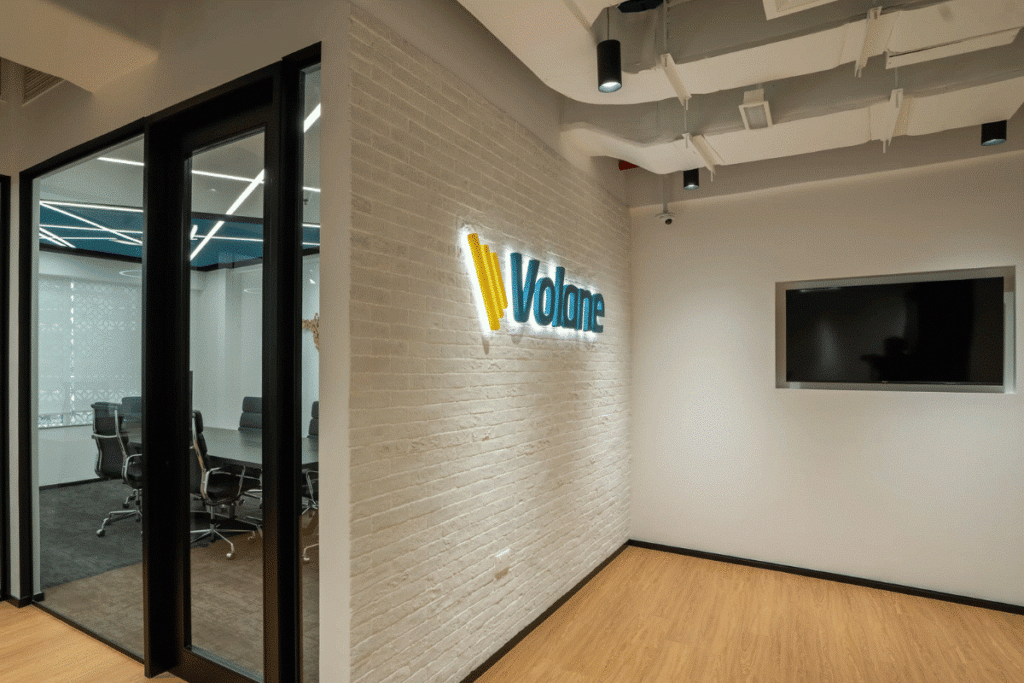
Dubai businesses often feel overwhelmed before starting an office redesign. Where do you begin? What questions matter? Leaders want clarity before investing. Employees want assurance that their needs are considered. That’s why the first design consultation is so important. A trusted office interior design company in Dubai makes the process simple. Why the First Meeting Matters This meeting sets the tone for everything ahead. A best fit-out company in Dubai knows that the details gathered here guide the entire project. From layout decisions to final finishes, clarity now prevents mistakes later. Step One: Understanding Your Business The session begins with listening. Designers ask about your company culture, workflow, and space challenges. They want to know how staff move, collaborate, and rest. Westbrook Interiors, with over 2,000 completed projects, treats this stage as foundation, not formality. Without it, design becomes guesswork. Questions You Can Expect: How many employees use the space daily? What kind of meetings dominate your schedule? Which areas feel underused or overcrowded? Do you need future expansion built into the plan? What’s your timeline for completion? Are there specific brand colors or identity elements to incorporate? Step Two: Exploring Style and Function This is where trends meet reality. A skilled office interior design company in Dubai doesn’t push fashion for fashion’s sake. They connect style with business needs. Want Japandi calm? Or colour-drenched energy? The designer matches aesthetic to brand identity. Furniture, lighting, and zoning enter the discussion. A best fit-out company in Dubai explains how design choices affect productivity. They present mood boards or 3D visuals to spark dialogue. You leave knowing your vision is possible and practical. What Gets Discussed: Space zoning for different work activities Furniture selection based on ergonomics and budget Lighting strategies for comfort and energy efficiency Material choices that balance durability with aesthetics Technology integration for modern workplace needs Step Three: Budgets and Timelines No meeting avoids numbers. Transparency matters. An experienced team shares cost ranges early. They outline what falls within scope, what counts as extra, and how long it all takes. Commercial projects in Dubai move fast. A company like Westbrook Interiors commits to realistic deadlines. Their design-to-handover model ensures fewer delays. You see where money goes and when results arrive. Budget Breakdown Typically Includes: Design and consultation fees Furniture and fixtures costs Construction and fit-out work Technical installations (lighting, HVAC, IT) Contingency allowances for unexpected changes Step Four: Next Steps After Consultation The meeting ends with a roadmap. Expect a written brief capturing needs, style directions, and budget notes. This document keeps both sides aligned. A best fit-out company in Dubai never leaves expectations vague. Clients know what comes next — detailed designs, approvals, and then fit-out execution. Every phase builds on the first meeting. That’s why this stage deserves attention. The Consultation Deliverables: Comprehensive project brief Preliminary timeline with key milestones Initial budget estimate with breakdown Style direction with visual references Clear next steps and decision points Why Westbrook Interiors Excels at First Consultations With 15+ years in Dubai and a portfolio spanning global brands, Westbrook Interiors combines design creativity with precise delivery. We handle everything from space planning to ergonomic furniture sourcing. Our track record proves we aren’t just another office interior design company in Dubai lists online. We’re a partner businesses trust for practical and stylish workspaces. Our consultation process is structured yet flexible. We listen first, advise second. Every question gets answered. Every concern gets addressed. You leave with confidence, not confusion. Final Word Your first design consultation isn’t just talk. It’s where trust begins. Clear questions, honest timelines, and inspired ideas make it productive. If you want expertise that balances creativity with discipline, choose wisely. Book your consultation with Westbrook Interiors — the best fit-out company in Dubai, trusted for complete office interior design company in Dubai solutions that deliver results. Q1. How long does the first office design consultation usually take? Most sessions last one to two hours, depending on office size and project complexity. Q2. Do I need to prepare anything before meeting an office interior design company in Dubai? Yes. Prepare basic floor plans, staff numbers, brand style guidelines, and a rough budget range. Q3. Does the consultation include cost estimates? Yes. The best fit-out company in Dubai provides preliminary ranges and timelines upfront for complete transparency. Most sessions last one to two hours, depending on office size and project complexity.Yes. Prepare basic floor plans, staff numbers, brand style guidelines, and a rough budget range.Yes. The best fit-out company in Dubai provides preliminary ranges and timelines upfront for complete transparency.
Interior Design Mistakes That Cost Dubai Businesses Money
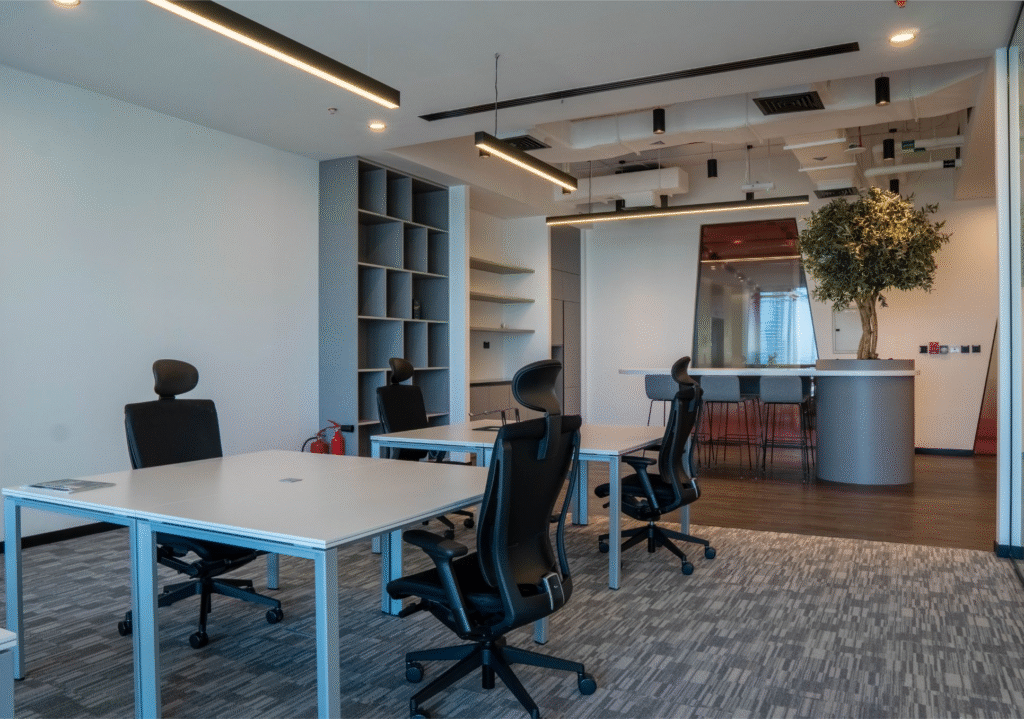
Office design in Dubai isn’t just about looks. Done poorly, it drains budgets fast. Many firms underestimate how small mistakes in planning and execution impact long-term costs. That’s where expertise counts. Working with a skilled interior design consultant in Dubai prevents expensive errors from creeping in unnoticed. Top 4 Interior Design Mistakes to Avoid in Dubai Mistake 1: Ignoring Space Planning One of the biggest mistakes in interior design in Dubai is poor space allocation. Offices often waste square footage by cramming staff or leaving zones underused. This increases rent costs without improving output. A professional consultant studies workflows first. They ensure every corner supports activity. Westbrook Interiors stresses this step because bad layouts are nearly impossible to fix later without major expense. Mistake 2: Choosing Fashion Over Function Trends tempt decision-makers. But copying what looks good online often fails in practice. For example, open ceilings look chic but raise cooling bills in Dubai’s climate. An experienced interior design consultant in Dubai advises when to adapt trends and when to avoid them. Westbrook Interiors has delivered 2,000+ projects, and their advice is simple: design should serve people, not just Pinterest boards. Mistake 3: Overlooking Ergonomics Furniture costs more when you buy twice. Many firms cut corners on desks and chairs. Soon, staff complain about posture, health, and fatigue. Productivity drops. Cheap fixes end up costing more in turnover and healthcare. Proper interior design in Dubai demands ergonomic planning. Westbrook Interiors highlights ergonomics as central to their service. They combine comfort with durability, ensuring money isn’t wasted on short-lived furniture. Mistake 4: Skipping Technical Details Lighting, wiring, and HVAC often get rushed. Businesses focus on paint colors while ignoring ceiling layouts. The result? Higher bills later for rewiring, replacements, or inefficient systems. A strong interior design consultant in Dubai builds technical checks into the consultation. Westbrook Interiors’ design-to-handover model ensures no detail gets overlooked. Ignoring technicals is one of the most costly mistakes any business can make. Why Westbrook Interiors Avoids These Pitfalls With 15+ years in the region, Westbrook Interiors knows where businesses go wrong. Their consultation process digs into workflow, budgets, and long-term needs. They don’t push trends blindly. They match design to culture and function. That balance saves money while still creating impressive offices. Their record proves they aren’t just delivering style. They’re protecting investments. How Poor Design Impacts Your Bottom Line Beyond the initial setup, design mistakes continue costing money: Wasted rent: Inefficient layouts mean paying for space you can’t use effectively Higher energy bills: Poor technical planning leads to excessive cooling and lighting costs Staff turnover: Uncomfortable workspaces drive talented employees away Retrofitting expenses: Fixing mistakes later costs 3-5 times more than getting it right initially This is why interior designing in Dubai requires both creative vision and practical expertise. The right approach prevents these cascading costs. Final Word Interior design mistakes can cost Dubai businesses far more than expected. From wasted rent to expensive retrofits, the risks are real. Working with a reliable interior design consultant in Dubai keeps those risks in check. For companies serious about avoiding costly errors, expert guidance is not optional. Partner with Westbrook Interiors — experts in interior design in Dubai, trusted for projects that combine style with financial sense. FAQs Q1. What’s the most expensive interior design mistake in Dubai offices? Poor space planning. It leads to wasted rent and costly redesigns. Q2. How does an interior design consultant in Dubai save money? By aligning layouts, ergonomics, and technical details with long-term business needs. Q3. Is it worth investing in ergonomic furniture upfront? Yes. It prevents staff fatigue, reduces turnover, and avoids replacement costs. Poor space planning. It leads to wasted rent and costly redesigns. By aligning layouts, ergonomics, and technical details with long-term business needs. Yes. It prevents staff fatigue, reduces turnover, and avoids replacement costs.
Japandi vs. Maximalism: Which Design Trend Works Best for Dubai Offices?
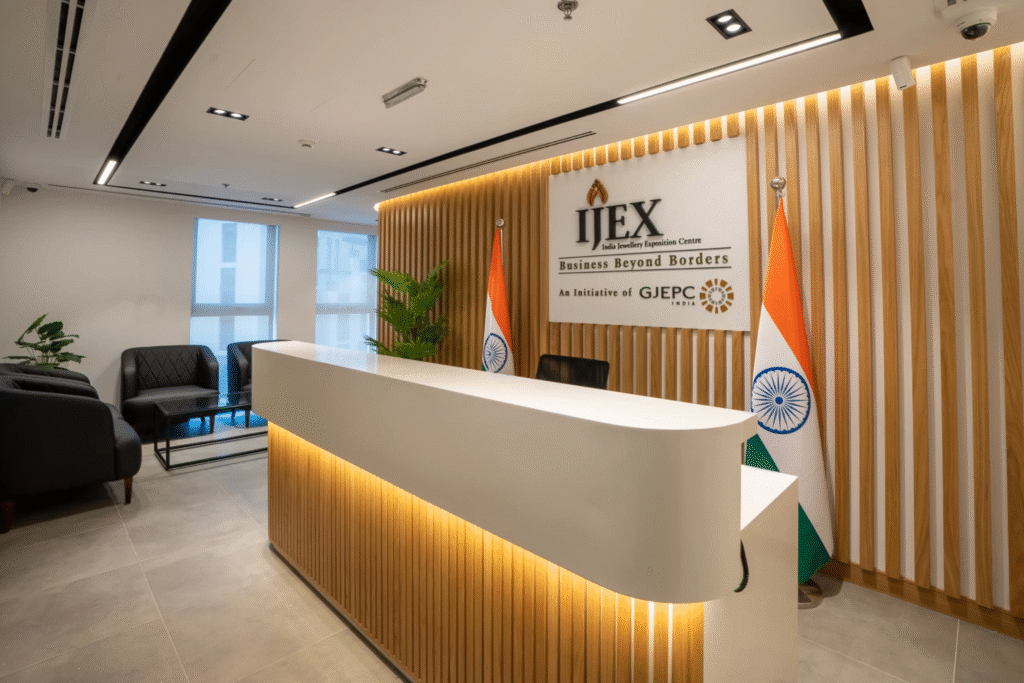
Walk into most offices in Dubai, and one thing stands out. They either feel too bare or too busy. Employees complain about dull walls or sensory overload. Leaders want function, but staff want comfort. The question becomes: which style makes sense? Japandi or Maximalism? For any office interior design company in Dubai that leaders trust, this debate comes up often. Why Japandi Feels Safe Japandi combines Scandinavian minimalism with Japanese serenity. Clean lines. Neutral shades. Minimal clutter. The style promises balance and focus. For a busy workforce, less distraction means more productivity. An office interior fit-out company in Dubai often recommends Japandi for startups and multinationals alike. It works beautifully in open floor plans where space needs to breathe. Add vegetation, light wood, and ergonomic furniture. Suddenly, the office becomes a peaceful refuge. Checklist for Japandi Success Stick to soft lighting, not bright white glare Keep accessories minimal and natural Invest in ergonomic chairs with neutral upholstery Use indoor plants as subtle accents This approach suits companies where deep focus matters. Finance, legal, or consulting firms find it practical. Yet Japandi can feel too quiet for industries that thrive on energy. Why Maximalism Excites Maximalism takes the opposite path. Bold colors. Patterns that clash but still charm. Art on every wall. The style thrives on personality. An office interior design company in Dubai that brands admire may suggest it for creative fields. Advertising firms, media houses, or fashion labels embrace its drama. A reliable office interior fit-out company in Dubai knows that Maximalism boosts mood. It sparks conversation and inspires collaboration. Walking into a maximalist office feels like stepping into a visual storybook. Every detail tells a story. When Maximalism Works Best Creative teams needing constant stimulation Workplaces aiming for strong brand identity Offices that use art as cultural expression Still, Maximalism can overwhelm. Too many colors or clashing styles may tire employees. Balance is key. Head-to-Head: Japandi vs. Maximalism Feature Japandi Maximalism Mood Calm, focused Energetic, bold Color Neutrals, earthy Bright, mixed Furniture Ergonomic, simple Statement pieces Best For Focus-driven firms Creative industries Any office interior design company in Dubai that clients approach must weigh these factors carefully. Both styles have merit. The choice depends on culture, industry, and the daily rhythm of staff. Which Works Best for Dubai Offices? Dubai offices are diverse. Some firms want quiet order. Others crave bold expression. The good news? You don’t need to choose extremes. A skilled office interior fit-out company in Dubai can blend the two. Japandi for shared work areas. Maximalism for lounges or breakout zones. The result? Focus without boredom. Personality without chaos.
Colour Drenching in Dubai: Transform Your Office with This Bold 2025 Design Trend

Dubai offices are changing fast. White walls and grey carpets once ruled. Today, bold design trends lead the conversation—open ceilings, biophilic zones, and now colour drenching. For anyone serious about corporate office interior design, this trend demands attention in 2025. Why Colour Drenching Stands Out in 2025 Last year was about muted Japandi shades. Then came the surge of maximalist accents. Colour drenching goes further. It drowns the entire room in one bold hue. Walls, furniture, and even ceilings follow one tone. The effect? A dramatic yet unified mood. An experienced commercial fit-out team sees this as more than fashion. It’s about creating immersive work environments. No half-measures. No timid pops of colour. It’s confidence, painted on every surface. How Dubai is Embracing It Corporate office interior design in Dubai always balances ambition with practicality. Colour drenching fits that balance perfectly. Think deep blue boardrooms reflecting calm authority. Terracotta lounges that feel warm and inclusive. Emerald breakout areas sparking energy. Westbrook Interiors notes more clients asking for “statement rooms.” Spaces where colour isn’t decoration but identity. Their commercial fit-out projects show companies want bolder first impressions. Staff respond positively too. They say it breaks monotony and boosts mood. The Psychology Behind the Trend Every design trend carries intent. Biophilia calms with nature. Minimalism clears distractions. Colour drenching harnesses emotion. Blue tones lower stress and promote focus Green restores balance and reduces fatigue Warm reds or oranges energize group spaces Softer pinks or corals humanize reception areas Corporate office interior design firms understand this science. It’s not guesswork. It’s targeted psychology turned into design strategy. How Does It Compare with Past Styles? Trend Key Look Best Use Dubai Adoption Minimalism Clean, white, sparse Finance, law Steady but declining Japandi Neutral, natural Consulting, tech Popular 2022–23 Maximalism Bold mix, eclectic Media, creative Growing in 2024 Colour Drenching One hue across space Corporate + creative Rising in 2025 Commercial fit-out experts point out that colour drenching is versatile. Unlike maximalism, it avoids clutter. Unlike minimalism, it avoids sterility. That balance is why 2025 may be its strongest year yet in Dubai. Where Does It Work Best? Not every space needs it. Smart design divides the office by function. Boardrooms: Cool blues, greys, or dark greens to project authority Reception: Bold tones that express brand identity Breakout zones: Warm colours that energize and encourage interaction Workstations: Softer hues to support long hours without fatigue A skilled corporate office interior design partner ensures each space carries the right tone. Westbrook Interiors excels here, applying 15+ years of experience to match trend with utility. Why 2025 is the Year of Bold Colour Dubai firms want to stand apart. They want global clients to remember their offices. And employees demand spaces that inspire. Colour drenching delivers both. It feels new yet timeless. It photographs well for branding. And it adapts across industries. If you want your office to reflect ambition in 2025, choose colour drenching. Partner with Westbrook Interiors, the trusted name for corporate office interior design and commercial fit-out solutions in Dubai. FAQs Q1. Is colour drenching a passing fad? No. Its adaptability across industries makes it a trend with staying power. Q2. Can commercial fit-out projects in Dubai handle bold colours? Yes. Skilled teams manage finishes, lighting, and furniture to balance impact with comfort. Q3. Which industries benefit most from this trend? Creative, consulting, and corporate firms all benefit. Each adapts shades to match brand culture. No. Its adaptability across industries makes it a trend with staying power. Yes. Skilled teams manage finishes, lighting, and furniture to balance impact with comfort. Creative, consulting, and corporate firms all benefit. Each adapts shades to match brand culture.
How Multisensory Design Enhances Employee Experience
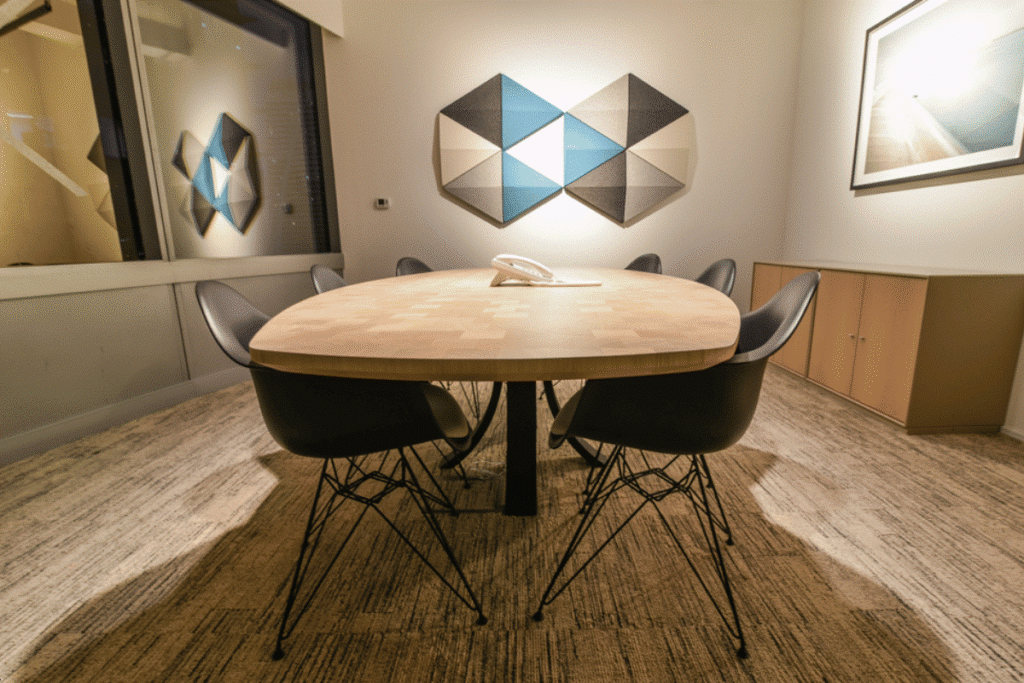
The modern workplace is no longer a static environment defined by desks and deadlines; it has become a dynamic ecosystem where design plays a pivotal role in shaping human experience. With rising awareness around mental wellness, creativity and employee satisfaction, organizations are beginning to realize that aesthetics alone aren’t enough. The future of workplace design lies in understanding how people feel, behave and perform, which begins with the senses. Enter multisensory design, an innovative, human-centric approach that engages sight, sound, touch, smell and even taste to create spaces that elevate not just how offices look, but how they function for the people within them. What Is Multisensory Design in Interior Spaces? Multisensory design goes beyond visual appeal; it’s a philosophy that engages all five senses to shape how people feel and function within a space. Traditional interiors focus on aesthetics, multisensory design layers sound, scent, texture, temperature and even taste to create emotionally resonant environments. Picture an office with natural light, balanced acoustics, gentle aromas and comforting textures, all contributing to a space that feels both welcoming and professional. As employee wellness becomes a design priority, a forward-thinking interior design firm in Dubai often integrates these elements into workplace strategy. Because good design isn’t just seen, it’s felt. Why Employee Experience Is the New Workplace Metric In today’s corporate world, success isn’t defined by profits alone, it’s powered by people. At the center of that equation is employee experience, now a key factor in retention, engagement and innovation. Employees spend a third of their lives at work. When environments support clarity, reduce stress and improve focus, performance naturally rises. That’s where multisensory design becomes more than creativity. Human-centered spaces boost morale, collaboration and productivity. In competitive hubs like Dubai, a well-designed office is a business edge. Partnering with an interior design firm in Dubai that understands spatial psychology makes all the difference. The Five Senses at Work: A Sensory Design Breakdown A well-designed office doesn’t just please the eye, it speaks to every sense. Multisensory design turns this philosophy into practice. Sight Lighting, color palettes and layout shape perception and productivity. Natural light uplifts mood, while biophilic textures foster calm and clarity. Westbrook’s designs often blend cultural cues with minimalism to reduce fatigue and enhance focus. Sound Noise impacts concentration. Harsh echoes elevate stress, while balanced acoustics and soft ambient sounds improve clarity and calm. Many offices now use subtle soundscaping to support different work modes. Smell Scent affects mood and memory. Aromas like lavender or citrus subtly enhance alertness or relaxation. Scent branding is rising in lounges, wellness zones and receptions. Touch Textures, from smooth wood to soft upholstery, influence comfort. Temperature and material quality also play a role. Multisensory design ensures every surface adds to the sensory experience. Westbrook Interiors: Redefining Workspaces with Multisensory Design Dubai is a global hub where design innovation meets cultural depth, and in this dynamic landscape, multisensory workspaces have become essential for companies prioritising employee well-being. This is where Westbrook Interiors, a leading interior design firm in Dubai, is setting new benchmarks. Our philosophy centres on experience, designing spaces that feel as intentional as they look. Westbrook chooses strategies to integrate scent, sound, colour and textur,e crafting environments that support connection, clarity and cognitive ease. Whether it’s an executive suite, a creative studio or an agile team zone, each space is a reflection of human-centred thinking. Designing for the Senses Is Designing for Success In today’s talent-driven world, the workplace can’t afford to be one-dimensional. Multisensory design is no longer a luxury; it’s essential to creating environments that support focus, energy and well-being. When all five senses are thoughtfully engaged, the result is a space where employees don’t just function, they thrive. Design becomes more than form; it becomes a strategic investment. If your business is ready to embrace this approach, a forward-thinking interior design firm in Dubai like Westbrook Interiors can help bring your vision to life, with every sense in mind.
Using Natural Tones and Textures to Create Calming Workspace
In today’s fast-paced work culture, office environments are no longer just about function; they’re about feeling. A well-designed workspace can offer clarity, calm and creativity, especially when grounded in natural tones and tactile textures. Earthy palettes like beige, olive and terracotta, paired with organic materials such as wood and stone, have the power to reduce visual noise and elevate emotional well-being. As interior trends shift toward wellness-driven design, more businesses are embracing a softer, more grounded aesthetic, one that soothes the senses and sets the tone for productivity, naturally. The Power of Natural Elements in Modern Office Design Natural elements have a unique way of softening even the most structured environments. In corporate spaces, where stress and speed often dominate, introducing raw materials and earth-inspired tones offers a subtle but profound shift. Wood, stone, bamboo and woven textures can instantly add warmth, grounding employees in an atmosphere that feels calm, human and unforced. Beyond beauty, these elements help reduce overstimulation, encouraging focus, emotional balance and even better air quality when paired with natural greenery. For brands prioritising wellness, natural design choices are no longer aesthetic luxuries; they’re intentional investments in employee well-being and workplace harmony. In cities like Dubai, where design often blends innovation with elegance, the shift toward nature-inspired interiors is being led by firms that understand how to translate organic calm into sophisticated space planning. Color Psychology: How Earthy Tones Influence Mood Color isn’t just visual, it’s psychological. Earthy tones like sand, olive, muted terracotta and warm greys have a calming effect on the brain. Unlike high-contrast palettes, these natural shades reduce overstimulation and create a sense of grounded focus. In the workplace, this translates into better emotional regulation and reduced anxiety, especially in high-pressure environments. Leading design firms now use colour psychology to plan mood-responsive interiors. An experienced interior decoration company in Dubai understands how to balance these tones to reflect both wellness and brand identity, helping teams feel more at ease and more engaged, day after day. Tactile Textures Bringing Comfort and Warmth Textures speak where visuals stop. In a workplace, tactile materials like natural wood, linen, rattan and stone add depth and warmth, encouraging a sense of safety and calm. Smooth marble counters, rough-hewn timber or soft woven fabrics subtly engage the sense of touch, often overlooked but deeply tied to comfort. Partnering with an interior decoration company in Dubai that understands the sensory role of texture can transform a cold, corporate layout into a warm, welcoming space. It’s about creating environments that feel lived-in, not just looked-at, where the physical experience of space enhances everyday performance. Why More Offices Are Choosing Natural Design with Interior Decoration Experts in Dubai Dubai’s workspaces are evolving. As stress awareness and employee wellness gain focus, more companies are turning to design philosophies that reflect calm, nature and intention. This shift isn’t just aesthetic, it’s strategic. A leading interior decoration company in Dubai, like Westbrook Interiors brings that strategy to life with a refined touch. From tonal palettes to textural layering, Westbrook translates brand identity into peaceful, purpose-driven environments. Their expertise lies in combining elegance with practicality, balancing natural materials, soft lighting and organic forms to support both productivity and well-being. In a city known for bold design, they proved that subtlety and sensory comfort can leave a lasting impression. For businesses seeking more than just a visual upgrade, offering a design experience rooted in how people feel and perform every day. Conclusion: Creating Calm Through Intentional Design In a world filled with noise, a calm workspace is a competitive advantage. Natural tones and textures offer more than aesthetic value; they invite clarity, comfort and quiet focus into the workday. For businesses ready to move beyond trend-driven design, partnering with a thoughtful interior decoration company in Dubai like Westbrook Interiors means creating spaces that feel as good as they look, built not just for function, but for how people truly thrive.