

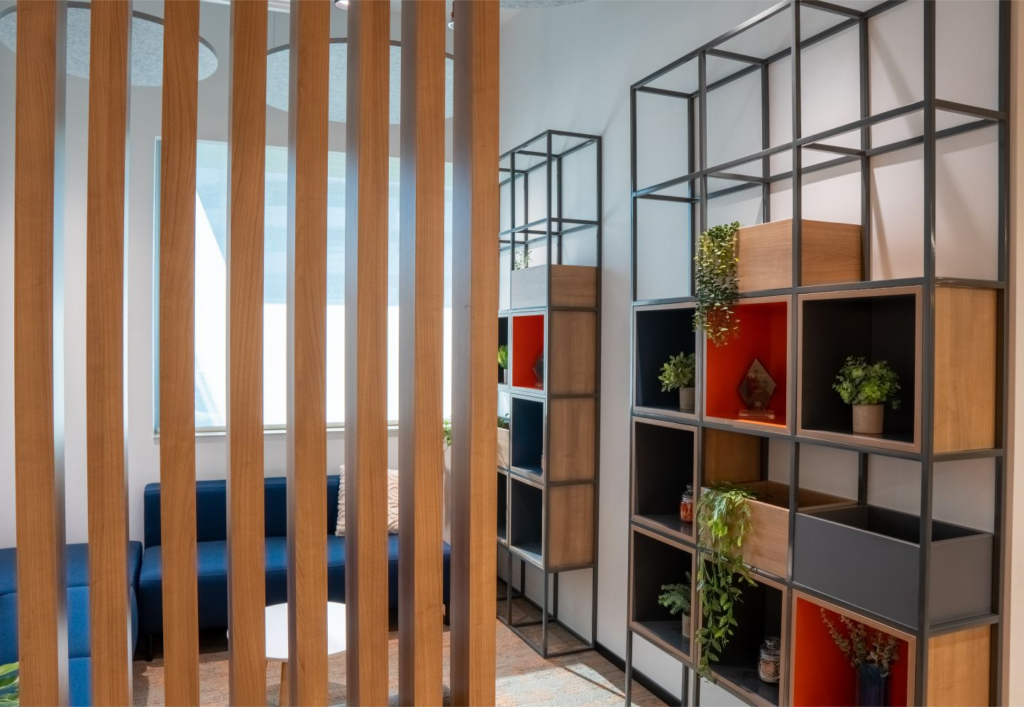
The commercial interior has not changed this fast in a long time. A combination of shifting work patterns, heightened expectations around employee experience, and Dubai’s continued evolution as a global business hub has compressed what would normally be a decade of gradual design evolution into three or four years of rapid change.
At Westbrook Interiors, our commercial fit-out pipeline gives us a direct view of where the market is heading. The briefs we are receiving in 2026 look meaningfully different from the ones we were working to three or four years ago, and the differences are not cosmetic. They reflect a fundamental rethink of what the office is for and what it needs to do.
The Office as a Destination, Not an Obligation
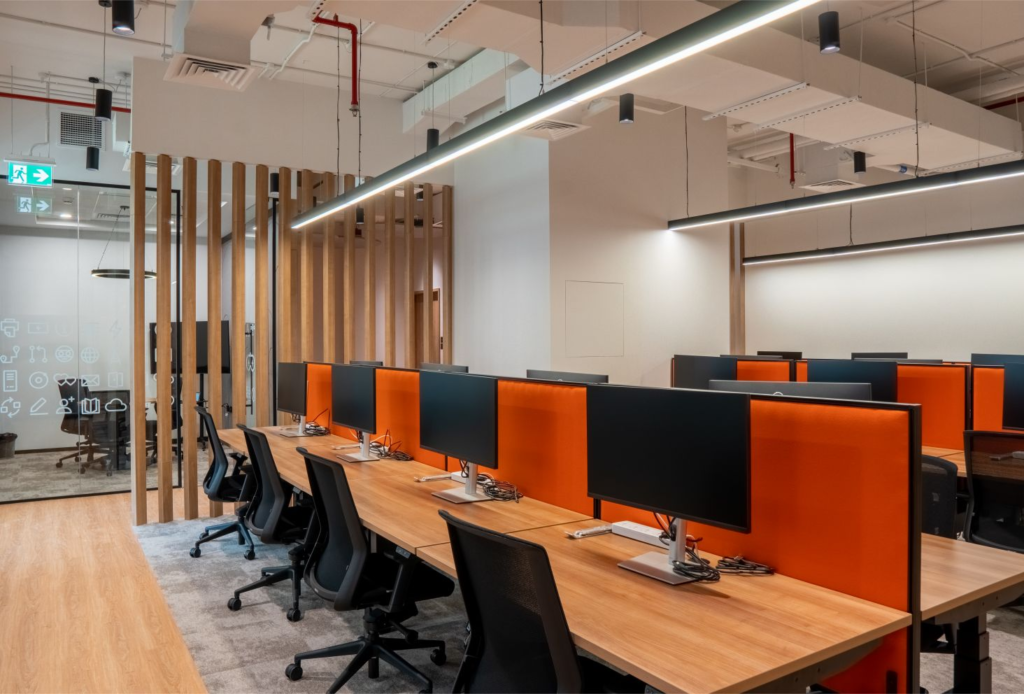
The most significant shift influencing every commercial fit-out brief we receive is the changed relationship between people and the workplace. When work can happen anywhere, the office has to justify its existence on its own terms. It has to be a place people want to come to, not just a place they come to because they have to.
This has shifted the design emphasis in commercial fit-out toward experience. Reception areas are being designed with the deliberateness previously reserved for hospitality lobbies. Breakout and social spaces are receiving serious investment rather than being the area where leftover budget goes. Pantry and food areas are being positioned as social anchors that generate the informal interaction that remote work cannot replicate.
The spaces we are designing now treat every square metre of the floor plate as contributing to the experience of being at work. Dead circulation space, leftover corners, and underutilized areas are all reconsidered as opportunities to add a setting, a moment, or a sensory experience that makes the environment feel considered.
Sustainability Has Moved from Aspiration to Specification
A few years ago, sustainability in commercial fit-out largely meant specifying low-VOC paints and recycled content carpet tiles and mentioning it in the handover documentation. The briefs we are working with now have genuine sustainability ambitions that influence material selection, procurement, waste management, and long-term lifecycle thinking across the entire project.
Clients are asking about embodied carbon in structural and finish materials. They are specifying furniture from manufacturers with verified circular economy programmes, where products can be returned, remanufactured, and redeployed rather than going to landfill at the end of their service life. They are asking us to prioritize systems and components that can be adapted and reused through future fit-out cycles rather than stripped and replaced.
This is changing how we approach commercial fit-out procurement and specification. Our supplier relationships have evolved to include greater transparency around material provenance, and our design approach increasingly favours durable, adaptable systems over trend-driven finishes that will require replacement within a few years.
Technology Integration Is Now Invisible
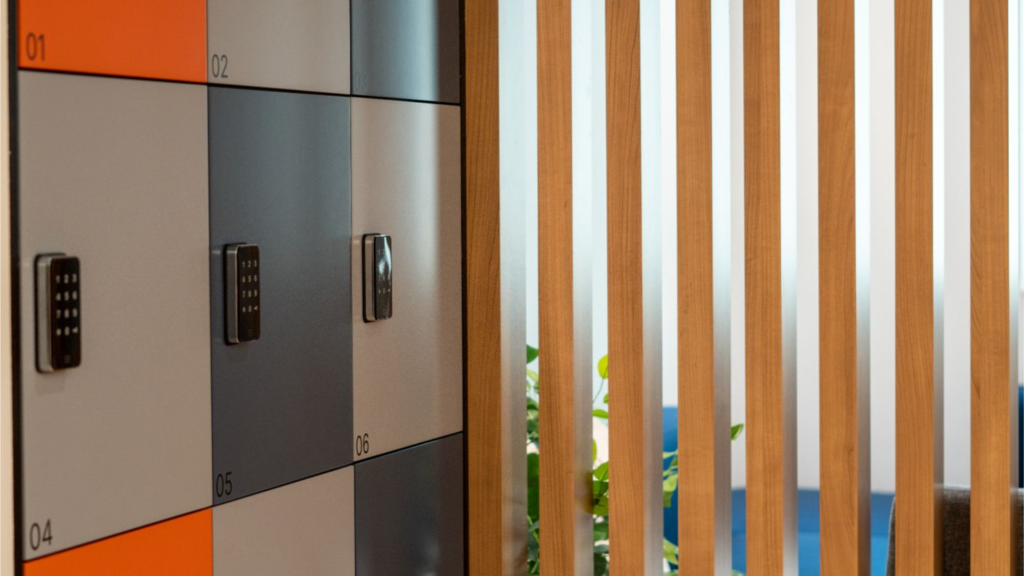
There was a period in commercial fit-out where technology was something you saw: prominent screens, visible cable management, hardware on every surface. The current direction is precisely the opposite. The most sophisticated commercial interiors we are delivering now conceal the technology infrastructure completely, so that the space feels calm and material-led rather than equipment-led.
Room booking systems are integrated into glass panels beside meeting room doors with no visible mounting hardware. Presentation technology disappears into ceiling pockets or sliding panels that reveal screens only when needed. Power and data infrastructure is distributed through access floors or integrated into furniture systems, eliminating the surface clutter of visible cable runs.
The implication for commercial fit-out design and construction is that the technology coordination has to happen at the earliest design stage, not as a late-stage overlay. The concealment has to be designed in, which requires close coordination between our design team, the client’s IT function, and the technology contractors from day one of the project.
Hospitality Thinking in Commercial Spaces
Perhaps the most visible overall direction in commercial fit-out across Dubai’s premium market is the importation of hospitality design thinking into the workplace. The textures, the layered lighting, the curated accessories, the scent and sound design that make a great hotel lobby feel immediately welcoming are being deliberately brought into commercial interiors by clients who understand the effect that environment has on how people feel and how they perform.
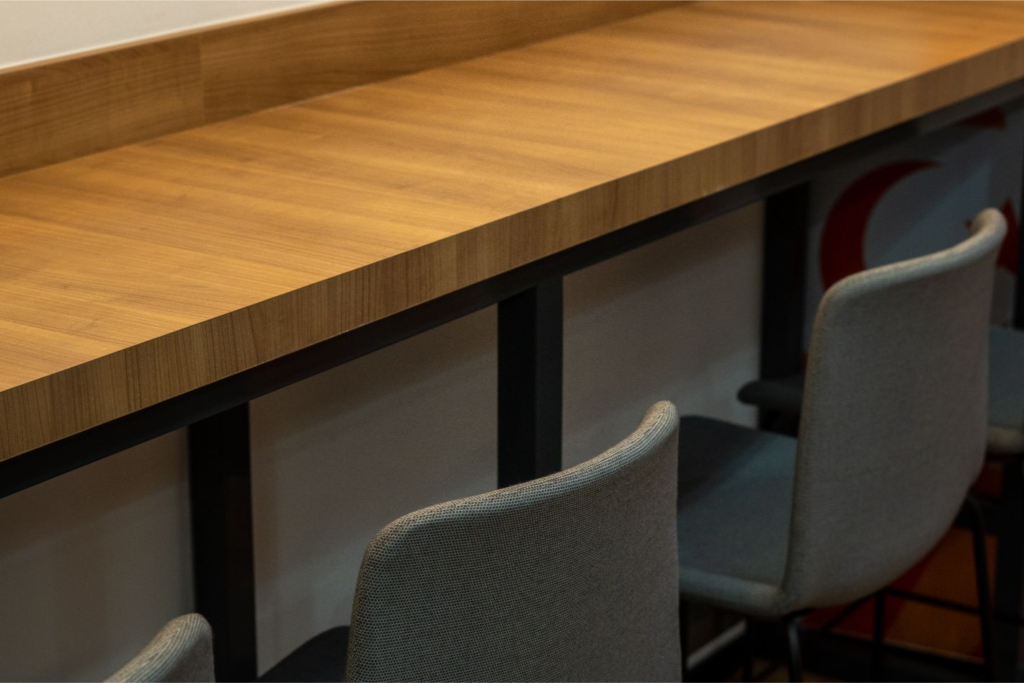
We are specifying bespoke joinery details, custom light fittings, and carefully selected art and accessory programmes in commercial fit-out projects that would previously have considered these elements out of scope. The result is spaces that feel human and considered rather than efficient and generic, and the feedback we receive from clients after occupation consistently confirms that these investments change how their teams and their visitors experience the space.
Bring These Trends to Your Next Space with Westbrook Interiors
Our commercial fit-out team at Westbrook Interiors designs and builds spaces that reflect where workplace design is genuinely heading, not where it was three years ago. With over 2,000 completed projects and 2 million square feet delivered across the UAE, we have the experience to translate these directions into spaces that work as well as they look.
To discuss your next project, reach out at hello@westbrook-interiors.com or call us on +971 4 612 5000. We are based at M12, Al Wasl Building, opposite Dubai Mall Metro Station on Sheikh Zayed Road, Dubai.