

Office design in Dubai isn’t just about looks. Done poorly, it drains budgets fast. Many firms underestimate how small mistakes in planning and execution impact long-term costs. That’s where expertise counts. Working with a skilled interior design consultant in Dubai prevents expensive errors from creeping in unnoticed.
Top 4 Interior Design Mistakes to Avoid in Dubai
Mistake 1: Ignoring Space Planning
One of the biggest mistakes in interior design in Dubai is poor space allocation. Offices often waste square footage by cramming staff or leaving zones underused. This increases rent costs without improving output.
A professional consultant studies workflows first. They ensure every corner supports activity. Westbrook Interiors stresses this step because bad layouts are nearly impossible to fix later without major expense.
Mistake 2: Choosing Fashion Over Function
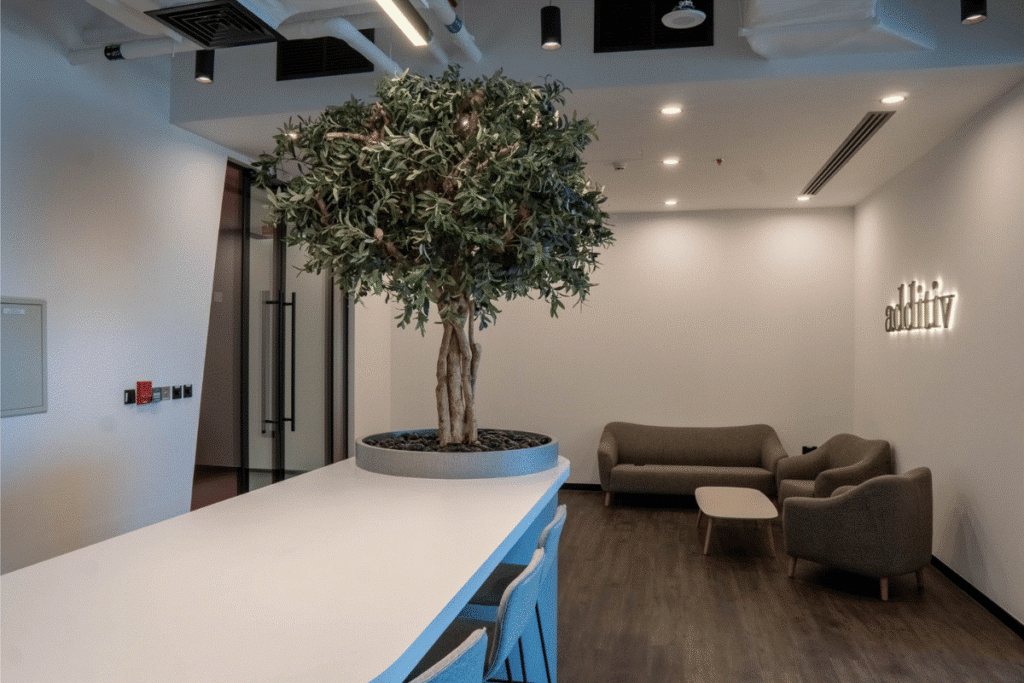
Trends tempt decision-makers. But copying what looks good online often fails in practice. For example, open ceilings look chic but raise cooling bills in Dubai’s climate.
An experienced interior design consultant in Dubai advises when to adapt trends and when to avoid them. Westbrook Interiors has delivered 2,000+ projects, and their advice is simple: design should serve people, not just Pinterest boards.
Mistake 3: Overlooking Ergonomics
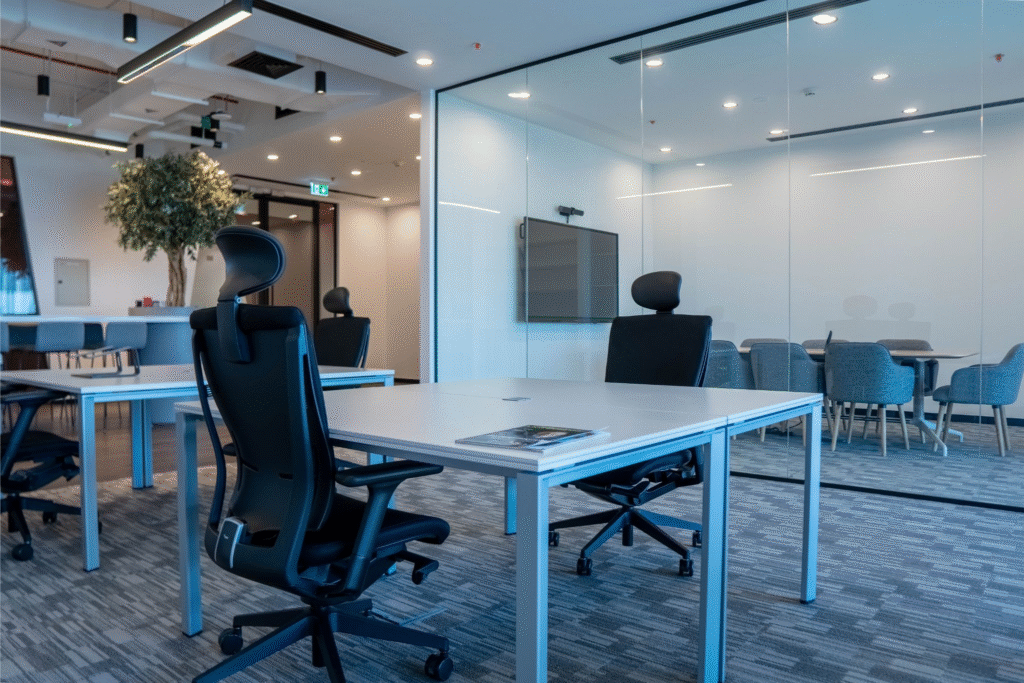
Furniture costs more when you buy twice. Many firms cut corners on desks and chairs. Soon, staff complain about posture, health, and fatigue. Productivity drops. Cheap fixes end up costing more in turnover and healthcare.
Proper interior design in Dubai demands ergonomic planning. Westbrook Interiors highlights ergonomics as central to their service. They combine comfort with durability, ensuring money isn’t wasted on short-lived furniture.
Mistake 4: Skipping Technical Details
Lighting, wiring, and HVAC often get rushed. Businesses focus on paint colors while ignoring ceiling layouts. The result? Higher bills later for rewiring, replacements, or inefficient systems.
A strong interior design consultant in Dubai builds technical checks into the consultation. Westbrook Interiors’ design-to-handover model ensures no detail gets overlooked. Ignoring technicals is one of the most costly mistakes any business can make.
Why Westbrook Interiors Avoids These Pitfalls
With 15+ years in the region, Westbrook Interiors knows where businesses go wrong. Their consultation process digs into workflow, budgets, and long-term needs. They don’t push trends blindly. They match design to culture and function.
That balance saves money while still creating impressive offices. Their record proves they aren’t just delivering style. They’re protecting investments.
How Poor Design Impacts Your Bottom Line
Beyond the initial setup, design mistakes continue costing money:
- Wasted rent: Inefficient layouts mean paying for space you can’t use effectively
- Higher energy bills: Poor technical planning leads to excessive cooling and lighting costs
- Staff turnover: Uncomfortable workspaces drive talented employees away
- Retrofitting expenses: Fixing mistakes later costs 3-5 times more than getting it right initially
This is why interior designing in Dubai requires both creative vision and practical expertise. The right approach prevents these cascading costs.
Final Word
Interior design mistakes can cost Dubai businesses far more than expected. From wasted rent to expensive retrofits, the risks are real. Working with a reliable interior design consultant in Dubai keeps those risks in check. For companies serious about avoiding costly errors, expert guidance is not optional.
Partner with Westbrook Interiors — experts in interior design in Dubai, trusted for projects that combine style with financial sense.
FAQs
Q1. What's the most expensive interior design mistake in Dubai offices?
Poor space planning. It leads to wasted rent and costly redesigns.
Q2. How does an interior design consultant in Dubai save money?
By aligning layouts, ergonomics, and technical details with long-term business needs.
Q3. Is it worth investing in ergonomic furniture upfront?
Yes. It prevents staff fatigue, reduces turnover, and avoids replacement costs.