

Dubai Summer: Why Your Office Needs a Biophilic Design Upgrade
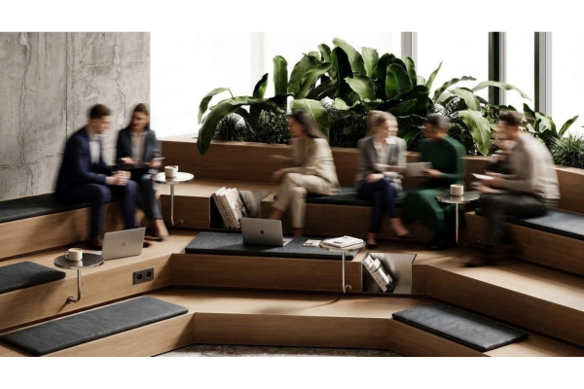
Have you ever noticed how a simple walk outside can instantly change your mood, but spending an entire day inside an office can sometimes leave you feeling drained? In Dubai, where summer temperatures can keep people indoors for most of the day, the workplace becomes more than just a place to complete tasks. It becomes the space where employees spend most of their waking hours, making the design of that environment more important than ever. While many businesses focus on cooling systems and technology to improve comfort during the summer months, there is another element often overlooked: the human connection with nature, one that an interior design consultant in Dubai is well positioned to address. Bringing Nature Into the Workplace This is where biophilic office design comes in, guided by an interior design consultant in Dubai who understands how to apply it effectively. Biophilic design is based on a simple idea: humans naturally respond positively to elements of nature. Research in workplace design shows that incorporating natural elements such as plants, daylight, natural materials, greenery, and organic forms can support employee wellbeing, creativity, and the overall workplace experience. For UAE offices, this approach has become increasingly relevant. With extreme summer conditions limiting outdoor interaction, bringing nature indoors helps create a more balanced and comfortable environment where employees can feel connected, refreshed, and engaged. Creating Workspaces That Feel More Connected While greenery can help introduce a natural element, the concept goes beyond decoration. It is about creating a stronger connection between people and their surroundings through thoughtful design choices, the kind an experienced interior design consultant in Dubai typically brings to a project. A workplace can incorporate biophilic principles through: Natural materials like wood textures and stone finishes Thoughtful use of light, including access to natural daylight Visual connections that incorporate views of greenery and outdoor elements Why Is it the Right Time to Rethink Your Workplace For many businesses in the UAE, summer brings a shift in how people experience their daily routines. With rising temperatures keeping employees indoors for longer periods, the workplace becomes more than just a place to complete tasks. It becomes the environment where people spend a significant part of their day, making comfort and overall experience more important than ever. Creating these spaces requires a balance of design expertise and technical knowledge. As an established interior design consultant in Dubai, Westbrook Interiors helps businesses create functional, inspiring spaces designed around the people who use them. Because the most successful workplaces are those where every element supports the people and purpose behind them. Contact us
Design Middle East 2026: Westbrook Among the Leading Fit Out Firms
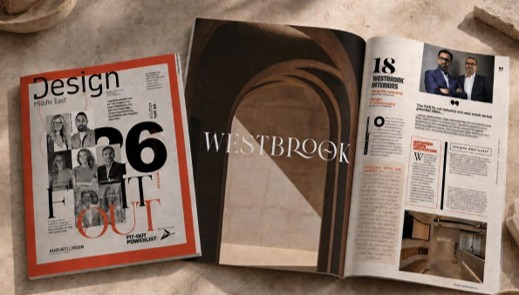
Every completed space carries the work of many people. Long before the doors open, there are plans to review, details to resolve, materials to coordinate and challenges to manage on site. This is the work that has shaped Westbrook Interiors over the past 18 years. Westbrook has once again been featured in Design Middle East’s Top Fit Out Powerlist 2026, placing the company among the leading firms in the region’s fit out industry. Over the years, the company has completed more than 1,500 projects covering over two million square feet. Each one has brought new people, requirements and lessons. Together, they have helped Westbrook develop a way of working that connects design, technical knowledge and site delivery from the beginning. The People Leading Westbrook The Design Middle East article places Westbrook’s leadership at the centre of the company’s story. Renju Mohammed, Managing Director, and Naresh Krishnaswamy, Managing Partner, reflect on 18 years of working within the UAE’s changing fit out industry. They speak about how clients now expect more than project execution. They look for a partner who understands the wider purpose of the space, contributes from the early stages and brings value throughout the process. In the article, Renju and Naresh share their perspective on the key areas shaping Westbrook’s work and the wider fit out industry: 1. Adapting to the market Stronger planning, early risk management and trusted supplier relationships help the team respond to rising costs, supply challenges and changing timelines. 2. Finding better solutions Early collaboration and technical knowledge support decisions that address current project needs while preparing spaces for future change. 3. Building what comes next The focus extends beyond completing an interior to creating workplaces that support businesses, connect people and continue to provide value after handover. What We Carry Forward Being part of Design Middle East’s Top Fit Out Powerlist brings a meaningful moment for Westbrook to pause and look at what has made this journey possible. It is found in the trust built across years of working together, the lessons carried from one project to the next and the willingness of the team to keep improving how the work is done. There is still more to learn, more to build and more ways to contribute to the industry. Westbrook moves forward with the same curiosity and commitment that shaped its beginning, ready for the opportunities still to come. Contact us
Cat A vs Cat B Fit-Out: What’s the Difference and Which Does Your Dubai Office Need?
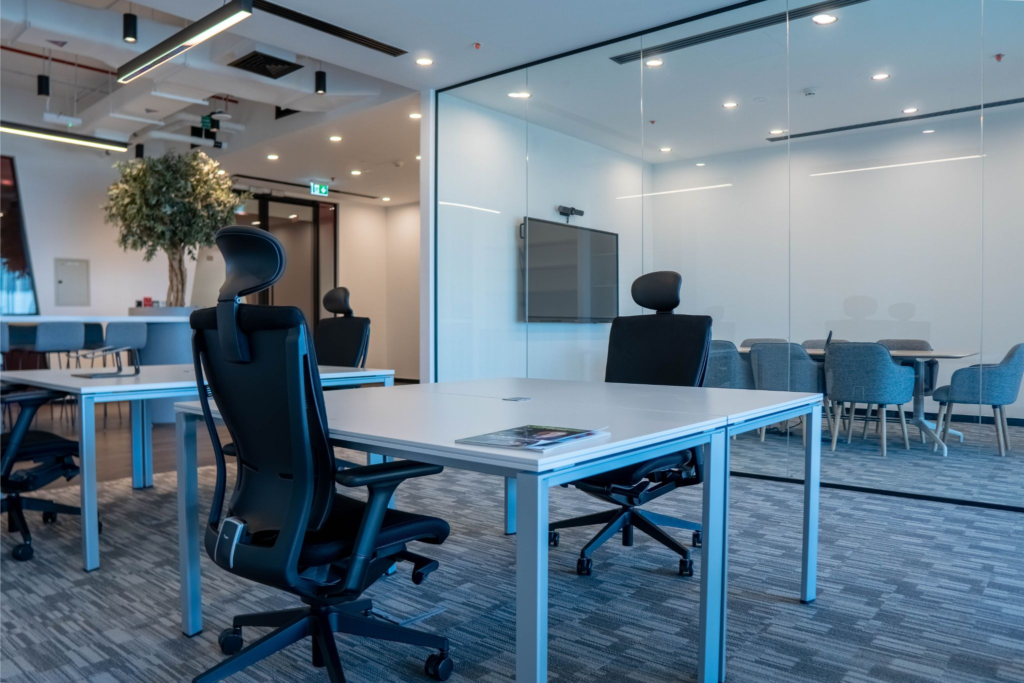
Leasing a new office in Dubai often introduces unfamiliar terms that can quickly become confusing. Among the most common are Cat A and Cat B fit-outs; although they are closely related, they describe different stages of preparing a workspace for occupation. Understanding the distinction before work begins can help businesses plan more effectively, avoid unnecessary expenditure, and make informed decisions about their next steps. Whether you are moving into a newly handed-over office or transforming an existing space to suit your operations, knowing which fit-out applies to your project is essential. Choosing the right interior fit-out company in Dubai makes these early discussions far clearer, ensuring your workspace aligns with operational needs, design objectives, and lease requirements before construction starts. A well-informed choice at the outset often leads to a smoother journey from initial planning through to final handover. Understanding Cat A and Cat B Fit-Outs Feature Cat A Fit-Out Cat B Fit-Out Purpose Delivers a functional base ready for tenant customisation Creates a fully operational workplace tailored to business needs Typical condition Basic finishes and core building services Complete interior ready for day-to-day use Customisation Limited Extensive Usually includes Ceiling, lighting, HVAC, raised flooring and essential services Partitions, flooring, furniture, branding, meeting rooms and workplace technology In simple terms, a Cat A fit-out provides the building’s essential infrastructure, while a Cat B fit-out transforms that space into a practical working environment designed for the occupier. If you are unsure about the baseline condition of your office before signing contracts or planning alterations, consulting a reputable interior fit-out company in Dubai can help clarify what has already been delivered and what work remains before the space is ready for occupation. What Does Each Type of Fit-Out Typically Include? While every commercial property is different, most Cat A and Cat B fit-outs follow a broadly similar scope. Knowing these typical inclusions helps businesses identify what is already available within the premises and what may still require planning before the office is fully operational. Cat A fit-out commonly includes: Raised access flooring Suspended ceilings General lighting Air conditioning and ventilation systems Fire detection and life safety services Basic electrical and mechanical infrastructure Cat B fit-out commonly includes: Internal partitions and private offices Flooring finishes and decorative elements Reception areas and breakout spaces Workstations and office furniture Meeting rooms and collaboration zones Branding, signage, and feature walls Audio-visual and technology integration These lists should be viewed as a general guide rather than a fixed specification. Individual buildings, lease agreements, and business requirements often influence what is delivered before handover and what remains the tenant’s responsibility. Discussing the project scope with an experienced interior fit-out company in Dubai can help you clarify these technical details early, reducing uncertainty and allowing you to prepare a workspace that supports both daily operations and future business growth. Which Fit-Out Is Right for Your Dubai Office? The right choice depends on the condition of your office, your lease agreement, and how much customisation your business requires. Instead of asking which option is better, consider which one matches your current situation. Cat A fit-out may be suitable if you: Are moving into a newly handed-over commercial space. Need the essential building services before designing your workplace. Want flexibility to customise the office according to your business requirements. Cat B fit-out may be the better choice if you: Create a fully functional office for your team Need meeting rooms, workstations, branding, and collaborative spaces. Want the workspace to reflect your company’s operations and identity from day one. The right solution is not determined by business size but by your workplace objectives and the condition of the leased premises. If you’re still deciding which approach fits your project, speaking with an interior fit-out company in Dubai can help you evaluate your requirements before any decisions are made, making it easier to plan with confidence and avoid unnecessary changes later. How to Decide Before Starting Your Fit-Out Project Before making any design or construction decisions, take a step back and evaluate the practical requirements of your office. A few early considerations can help you avoid unnecessary changes later and ensure the project progresses with greater clarity. Assess the current condition of the space. Identify what has already been provided and what still needs to be completed. Review your lease agreement. Understand which responsibilities belong to the landlord and which fall to your business. Define how your team will use the workspace. Consider collaboration areas, private offices, meeting rooms, and future expansion. Set realistic priorities. Distinguish between essential requirements and features that can be introduced later. Consult an experienced interior fit-out company in Dubai. Professional guidance at the planning stage can help align your budget, project scope, and workplace objectives during the planning stage. Taking these steps early creates a stronger foundation for informed decisions and helps reduce uncertainty throughout the fit-out process. The Right Advice Makes Planning Easier Every office project comes with its own set of priorities, whether that’s supporting future growth, reflecting your brand, or creating a more efficient workplace. Knowing the difference between Cat A and Cat B is only the first step. Applying that knowledge to your specific office requires careful planning and informed decision-making. Working with a good interior fit-out company in Dubai allows you to evaluate your options with greater confidence, understand the practical implications of each approach, and develop a workspace strategy that aligns with your business goals before work begins. Build the Right Workspace with Confidence Choosing between Cat A and Cat B becomes much simpler when you understand your workspace requirements from the beginning. If you’re planning a commercial office in Dubai, Westbrook Interiors can help you plan, design, and deliver a workspace that supports your business with confidence. Contact us FAQ Section Q1. Can a Cat A office be occupied immediately after handover? Not usually. A Cat A office typically provides the essential building infrastructure, but additional work is often required before it is suitable for daily business operations. The exact
Commercial Fit-Out Costs and Timelines in Dubai: What to Budget For in 2026
Planning a new workspace is about much more than choosing finishes or approving a design concept. Before construction begins, businesses need a realistic understanding of both the investment required and the time needed to complete the project. As material availability, authority processes, labour requirements, and workplace expectations continue to evolve, budgeting for 2026 calls for a well-informed approach rather than rough estimates. Whether you are relocating, expanding, or refurbishing an existing office, understanding the factors that influence a commercial fit-out project can help you make better financial and operational decisions from the outset. Looking beyond the initial quotation allows you to prepare for the full project journey, minimise unexpected costs, and reduce the risk of delays. With careful planning and the right professional guidance, your fit-out can stay aligned with your business objectives while delivering a functional workspace that supports long-term growth. What Really Influences Commercial Fit-Out Costs? Cost Factor How It Influences Your Budget Project size Larger spaces generally require more materials, labour, and coordination. Scope of work Structural changes or major reconfigurations increase complexity and expenditure. Material selection Premium finishes and bespoke elements raise overall costs compared with standard specifications. MEP requirements Mechanical, electrical, and plumbing upgrades often represent a significant portion of the budget. Regulatory approvals Permit requirements and compliance measures may introduce additional expenses before work begins. Beyond these factors, procurement timelines and specialist installations can also affect overall spending. Imported materials, custom joinery, or advanced workplace technology may involve longer lead times and higher investment than readily available alternatives. For businesses planning a commercial fit-out project in 2026, building flexibility into the budget is often a practical decision rather than an unnecessary precaution. Why Timelines Matter Just as Much as Budget A realistic timeline is just as valuable as a well-planned budget because it affects everything from business operations to move-in dates. Even with funding in place, unexpected delays can interrupt schedules, postpone occupancy, and create additional costs. Understanding how a project progresses helps businesses plan with greater certainty instead of relying on optimistic assumptions. 1. Planning and design – Finalising layouts, design concepts, and technical drawings. 2. Approvals and documentation – Securing the necessary permissions before work begins. 3. Procurement – Ordering materials, finishes, furniture, and specialist equipment. 4. Construction and installation – Completing civil works, MEP installations, finishes, and fit-out activities. 5. Final inspection and handover – Reviewing completed work, resolving minor issues, and preparing the space for occupation. The duration of each stage depends on the project’s complexity, approval processes, material availability, and the extent of customisation involved. Some phases may overlap, while others cannot begin until the previous step has been completed. When planning a comprehensive commercial fit-out timeline, allowing sufficient time for every stage helps reduce unnecessary pressure on contractors, suppliers, and internal teams. A realistic programme also makes it easier to coordinate relocation plans, minimise operational disruption, and keep business objectives aligned with project delivery. What Should Your 2026 Fit-Out Budget Include? A well-prepared budget should reflect the complete scope of the project rather than focusing only on construction costs. Looking at every stage of the process helps businesses make informed financial decisions and reduces the likelihood of unexpected expenses after work has started. When planning a specialised commercial fit-out delivery, it is worth considering the following components: Concept development, space planning, technical drawings, and project documentation. Authority approvals and compliance requirements are needed before construction can begin. Civil works, partitions, ceilings, flooring, finishes, and on-site labour. Mechanical, electrical, and plumbing systems that support daily operations. Workstations, meeting rooms, storage solutions, signage, or technology integration. A financial buffer for unforeseen site conditions or approved project changes. Every business has different operational priorities, so not every budget will look the same. The goal is to create a realistic financial plan that reflects your workspace requirements, expected level of finish, and future growth. A carefully considered commercial fit-out strategy provides greater clarity before commitments are made, helping stakeholders make confident decisions throughout the project lifecycle. How to Keep Your Project on Budget and on Schedule Successful projects rarely stay on track by chance. They are usually the result of careful preparation, clear communication, and timely decision-making long before work begins on site. A few practical steps can make a significant difference: Define the scope clearly: Confirm your objectives and space requirements before requesting quotations. Finalise key design decisions early: Late design revisions can affect procurement, construction, and overall costs. Allow for a contingency: Setting aside a realistic reserve helps manage unforeseen circumstances without disrupting progress. Choose experienced professionals: A knowledgeable project team can identify potential challenges before they become costly issues. Maintain regular communication: Consistent updates between stakeholders support quicker decisions and reduce misunderstandings. Every successful commercial fit-out project involves multiple moving parts, from approvals and procurement to installation and final handover. Planning Early Creates Better Outcomes Starting the planning process well in advance gives businesses more flexibility to make informed decisions without unnecessary pressure. It allows time to refine the design, review budgets carefully, coordinate approvals, and address potential challenges before construction begins. A thoughtfully planned commercial fit-out execution is often easier to manage because expectations, timelines, and project priorities are aligned from the outset. Plan Your 2026 Commercial Fit-Out with Confidence A successful project begins with informed planning, realistic budgeting, and a clear understanding of the journey ahead. Whether you are renovating an existing workspace or creating a new one, Westbrook Interiors can help you make confident decisions from concept to completion with practical guidance, thoughtful design, and professional project delivery. Contact us FAQ Section Q1. Should I finalise my office design before requesting commercial fit-out quotations? Yes, it helps to have a clear design concept and project scope before requesting quotations. The more detailed your requirements are, the more accurate and comparable the estimates will be, helping reduce unexpected revisions later. Q2. How much contingency should businesses allow in a commercial fit-out budget? A contingency of around 10–15% is commonly recommended to accommodate unforeseen costs, design refinements,
What is the Retail Fit-Out Process? A Step-by-Step Guide to Retail Store Design in Dubai
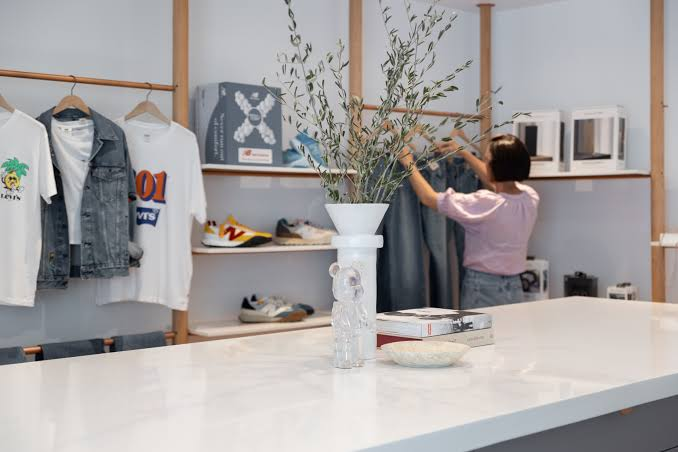
Opening a successful retail store takes more than choosing a great location. The design, layout, and functionality of the space play a huge role in attracting customers and increasing sales. A well-planned commercial fit out helps create a shopping environment that reflects your brand while making the best use of available space. Dubai is home to a highly competitive retail market, from luxury boutiques and fashion outlets to supermarkets and speciality stores. Businesses need attractive and practical interiors to stand out. Understanding the retail fit-out process can help store owners avoid delays, control costs, and achieve better results. At Westbrook Interiors, we believe that every retail space should combine style, functionality, and customer experience. In this guide, we explain the complete retail fit-out process step by step. What is a Retail Fit-Out? A retail fit-out is the process of transforming an empty or existing commercial space into a fully functional and attractive retail store. It involves designing and installing key elements such as flooring, lighting, shelving, display units, signage, checkout counters, and storage areas to create a space that reflects the brand and enhances the shopping experience. A well-planned commercial fit-out ensures that the store is visually appealing, easy to navigate, and efficient for both customers and staff. In Dubai’s competitive retail market, a professional retail fit-out helps businesses stand out, improve customer engagement, and create an environment that supports long-term growth and profitability. Why is a Retail Fit-Out Important? A retail fit-out is the process of transforming an empty or existing commercial space into a fully functional retail store. A professional commercial fit out can: Improve customer experience Increase product visibility Strengthen brand identity Maximise available space Improve employee productivity Boost sales and customer retention Step-by-Step Guide to Retail Store Design in Dubai Step 1: Understanding Business Goals Every retail project starts with understanding the client’s vision. At Westbrook Interiors, we work closely with our clients to identify: Target audience Type of products Brand personality Budget Timeline Future expansion plans Step 2: Site Survey and Space Assessment Before designing begins, the property is carefully inspected. The site survey includes checking: Floor dimensions Ceiling height Structural elements Existing electrical systems Plumbing HVAC systems Entry and exit points This helps identify any challenges early and prevents costly changes later. Step 3: Retail Store Space Planning Space planning is one of the most important parts of retail design. A good layout should allow customers to move comfortably while showcasing products effectively. Important areas include: Entrance: The entrance should create a strong first impression. Display Areas: Products should be easy to find and visually appealing. Checkout Zone: Efficient checkout counters reduce waiting times. Storage Area: Adequate storage keeps the retail floor organised. Staff Areas: Employee spaces improve daily operations. Common retail layouts include: Grid layout Loop layout Free-flow layout Spine layout Boutique layout Step 4: Concept Design and Interior Styling This stage transforms ideas into visual concepts. A successful commercial fit out should reflect the company’s identity while creating an enjoyable shopping experience. Popular retail design trends in Dubai include: Minimalist interiors Natural materials Sustainable finishes Interactive digital displays Smart lighting Flexible shelving systems Step 5: Detailed Drawings and Technical Planning Once the concept is approved, technical drawings are prepared. These include: Floor plans Ceiling plans Electrical layouts Lighting plans HVAC drawings Plumbing details Joinery drawings Fixture specifications Detailed planning helps contractors work efficiently and reduces construction errors. Step 6: Authority Approvals and Permits Retail stores in Dubai often require approvals before construction begins. Depending on the project, approvals may involve: Building management Local authorities Fire safety departments Utility providers Obtaining approvals early prevents project delays and legal issues. At Westbrook Interiors, we help manage the approval process to make the project smoother for our clients. Step 7: Construction and Commercial Fit-Out Works This is where the design becomes reality. Construction may involve: Partition installation Flooring Ceiling works Painting Electrical installations Plumbing HVAC systems Carpentry Joinery Glass installations Project managers coordinate different teams to ensure quality and timely completion. Step 8: Installing Retail Fixtures and Technology After construction, the store is fitted with operational elements. These may include: Retail Shelving: Designed to maximise product display. Display Units: Highlight featured products. Checkout Counters: Built for speed and convenience. Lighting Systems: Enhance product presentation. Digital Screens: Support advertising and promotions. Security Systems: Protect products and customers. POS Systems: Improve payment efficiency. Step 9: Branding and Visual Merchandising A retail store should communicate the brand clearly. Branding elements include: Signage Wall graphics Brand colours Product displays Window displays Promotional zones Visual merchandising helps guide customer attention and encourage purchases. Step 10: Final Inspection and Project Handover Before opening, the entire store is inspected. The final review checks: Lighting functionality Electrical systems Plumbing Air conditioning Display installations Furniture quality Safety systems Finishing details Any issues are corrected before handover. What is Included in a Retail Fit-Out? A retail fit-out combines several essential elements to create a store that is attractive, functional, and aligned with the brand. A professional commercial fit out ensures that every part of the space supports both customer experience and business operations. 1. Space Planning and Store Layout A well-planned layout helps customers navigate the store easily while making the best use of available space. It includes customer pathways, product display zones, checkout areas, and staff spaces. 2. Interior Finishes and Lighting This includes flooring, wall finishes, ceilings, and lighting systems that create the store’s overall look and feel. High-quality finishes and proper lighting improve product visibility and enhance the shopping experience. 3. Display Fixtures and Custom Joinery Retail shelving, display units, checkout counters, fitting rooms, and custom furniture are designed to showcase products effectively. These features help maintain an organised and visually appealing retail environment. 4. Mechanical, Electrical, and HVAC Services A retail fit-out includes electrical wiring, plumbing, air conditioning, ventilation, and other essential building services. These systems ensure the store operates safely and comfortably for customers and staff. 5. Branding, Signage, and Visual Merchandising Brand colours, logos, signage, window displays, and
Minimalist Office Furniture Trends in Dubai 2026
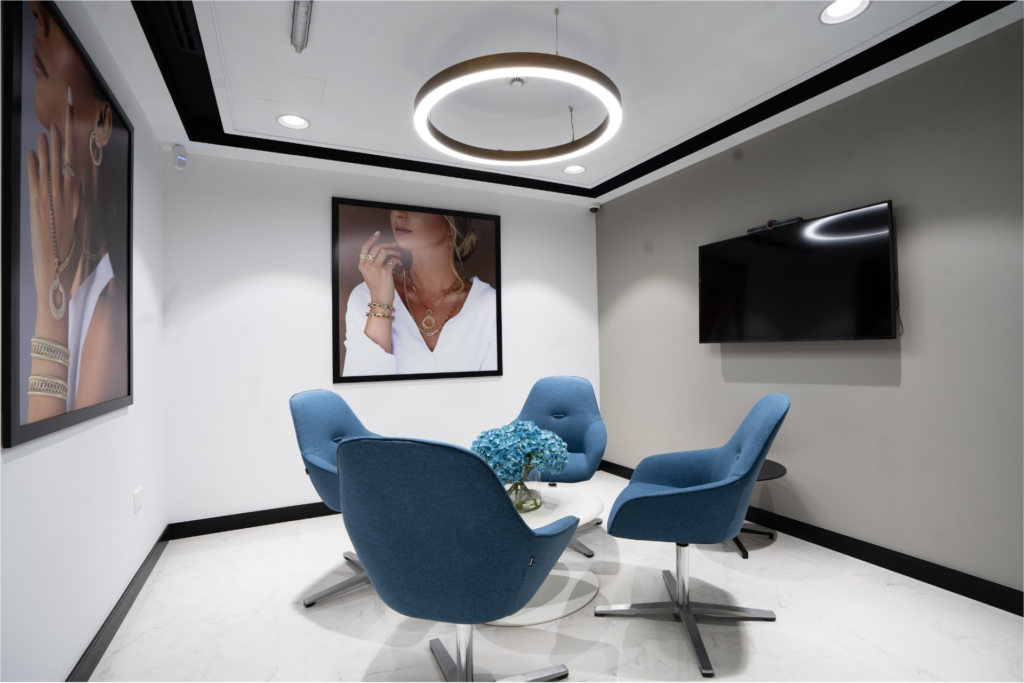
The way offices look and function is changing quickly in Dubai. Businesses today want workspaces that are stylish, practical, and comfortable. Modern companies understand that office furniture is more than just desks and chairs. It plays an important role in employee productivity, collaboration, and creating a positive impression on clients. As experts in corporate office interior design, we have seen a growing demand for minimalist office furniture that combines beauty with functionality. At Westbrook Interiors, we help businesses create workspaces that reflect their brand while making the best use of available space. In this guide, we explore the top minimalist office furniture trends shaping Dubai’s workplaces in 2026. Why Minimalism is Becoming the Future of Office Design? Minimalism is about keeping only what is necessary while maintaining style and comfort. Modern offices no longer need bulky furniture and overcrowded layouts. A minimalist office offers: Better organization Improved employee focus Easier maintenance Enhanced natural lighting Flexible workspace arrangements A professional appearance Dubai businesses are increasingly adopting minimalist concepts because they support both productivity and modern business culture. Role of Furniture in Creating Efficient Office Spaces Furniture is one of the most important elements of successful corporate office interior design. The right furniture can: Improve Workflow Employees can move around easily without obstacles. Encourage Collaboration Open seating arrangements help teams communicate better. Maximize Space Minimalist furniture allows businesses to use every square foot efficiently. Reflect Brand Identity Modern furniture creates a professional and innovative image. At Westbrook Interiors, we carefully select furniture that complements the overall office design while supporting daily business operations. Top Minimalist Office Furniture Trends in Dubai in 2026 Dubai workplaces are embracing minimalist office furniture that combines style, functionality, and flexibility. In 2026, the focus is on smart, sustainable, and space-saving designs that support modern business needs. Some of the Top Minimalist Office Furniture Trends in Dubai in 2026 are: Trend 1: Clean and Simple Workstations The biggest furniture trend for 2026 is simplicity. Modern desks feature: Straight lines Hidden cable management Slim metal frames Neutral finishes Compact storage Large executive desks are being replaced with sleek workstations that save space without sacrificing functionality. Simple desks also make offices look larger and more organised. Trend 2: Flexible Modular Furniture Businesses in Dubai need offices that can adapt to changing teams and projects. Modular furniture has become one of the biggest trends in corporate office interior design. Examples include: Modular desks: Can be combined or separated easily. Mobile storage units: Can move wherever needed. Adjustable meeting tables: Suitable for different group sizes. Movable partitions: Create temporary work zones. Benefits include: Easy office expansion Lower renovation costs Greater flexibility Better space management Trend 3: Ergonomic Minimalist Seating Comfort is no longer optional. Companies understand that employee health affects productivity. Minimalist ergonomic chairs offer: Adjustable height Lumbar support Breathable materials Modern appearance Compact designs These chairs provide comfort without making workspaces look crowded. Many Dubai offices are investing in premium seating solutions that improve employee wellbeing. Trend 4: Neutral Colour Palettes Minimalist offices rely on calm and balanced colours. Popular choices for 2026 include: White Beige Soft grey Black Natural wood Olive green accents These colours create a peaceful environment and complement modern office furniture. Neutral palettes also allow businesses to incorporate brand colours through artwork and accessories. Trend 5: Multi-Functional Furniture Modern offices need furniture that serves multiple purposes. Examples include: Storage benches: Provide seating and storage. Foldable meeting tables: Save space when not in use. Height-adjustable desks: Support sitting and standing work. Collaborative furniture can transform from individual workstations to group tables. Multi-functional furniture is especially valuable for growing businesses. Trend 6: Sustainable Furniture Choices Sustainability is becoming a priority for Dubai businesses. Best eco-friendly office furniture includes: Recycled materials Sustainable wood Low-emission finishes Long-lasting construction Recyclable components Choosing sustainable furniture supports environmental goals while reducing replacement costs. At Westbrook Interiors, we encourage solutions that balance design, durability, and sustainability. Trend 7: Built-In Storage Solutions Minimalist offices avoid clutter. Built-in storage helps maintain clean workspaces. Popular options include: Wall-mounted cabinets Under-desk storage Hidden filing systems Floating shelves Integrated lockers Good storage improves organization and reduces distractions. Trend 8: Collaborative Lounge Areas Traditional meeting rooms are no longer enough. Many offices now include informal collaboration zones featuring: Comfortable sofas Small coffee tables Soft seating Modular lounge furniture Acoustic panels These areas encourage creativity and casual discussions.They also create a welcoming atmosphere for visitors. Trend 9: Smart Furniture Integration Technology is influencing furniture design. Smart office furniture includes: Wireless charging desks: Keep devices powered. Built-in USB ports: Reduce cable clutter. Cable management systems: Maintain clean workspaces. Smart meeting tables: Support presentations and video calls. Technology integration is becoming a key feature of modern corporate office interior design. Trend 10: Natural Materials and Biophilic Design Minimalism does not have to feel cold. Natural materials help create warm and inviting offices. Popular materials include: Oak Walnut Bamboo Stone finishes Natural fabrics Businesses are also adding: Indoor plants Living walls Natural lighting Wooden accents Biophilic design can improve employee satisfaction and workplace wellbeing. Must-Have Minimalist Furniture The right minimalist furniture creates a workspace that is both functional and visually appealing. Essential pieces help maximize space while improving comfort and productivity. Some Must-Have Minimalist Furniture include: Modular desks Ergonomic chairs Storage cabinets Standing desks Meeting pods Mobile furniture Benefits of Minimalist Furniture The benefits of minimalist office furniture go far beyond creating a clean and modern appearance. For businesses in Dubai, investing in thoughtfully designed furniture can improve daily operations, employee satisfaction, and long-term growth. Better Productivity A clutter-free workspace helps employees stay focused and work more. Simple furniture layouts reduce distractions and improve daily workflow. Lower Maintenance Minimalist furniture is easy to clean and requires less upkeep. Durable materials also reduce repair and replacement costs. Cost Efficiency High-quality minimalist furniture lasts longer, offering better value over time. Modular designs also reduce future renovation expenses. Easier Expansion Flexible furniture systems can be rearranged as your business grows. This makes it simple to accommodate new
Hot Desking or Dedicated Desks: What’s Actually Working in Dubai Offices?
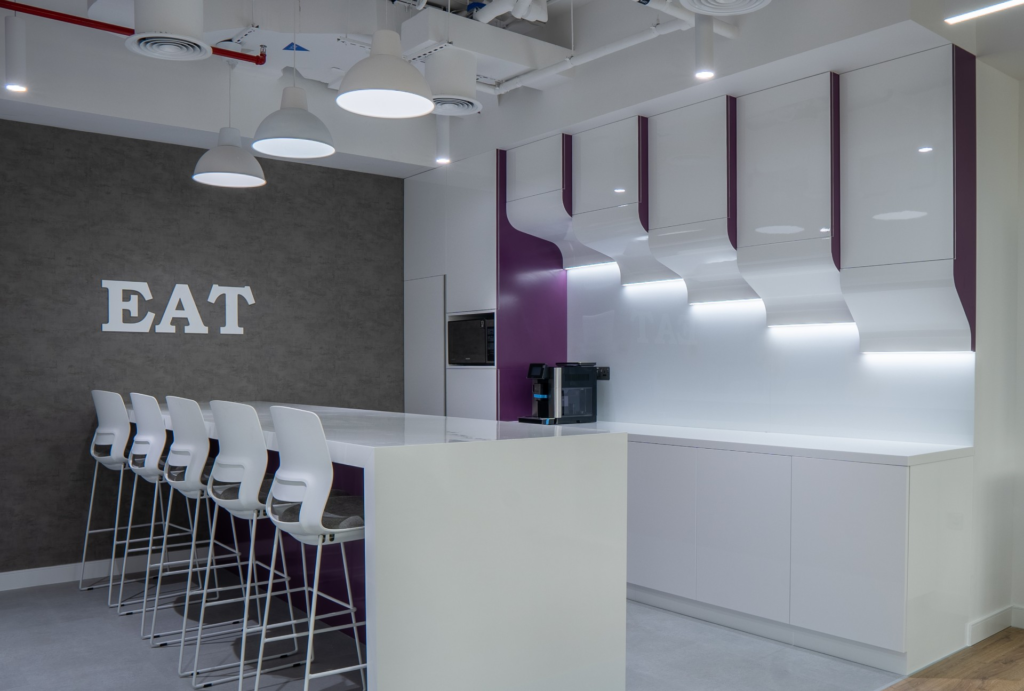
The way Dubai businesses use their office space has shifted significantly. With hybrid work now the standard, companies are rethinking every square metre. The debate between hot desking and dedicated desks is one we hear constantly from our clients. As a leading Best Fit-Out Company in Dubai, we have helped dozens of businesses find the right answer for their teams. The Case for Hot Desking Hot desking reduces real estate costs and encourages cross-team collaboration. For companies with rotating hybrid schedules, rows of empty assigned seats simply do not make financial sense. However, hot desking only works when the environment is thoughtfully designed. Without proper zoning, acoustic planning, and smart storage, it creates frustration rather than flexibility. This is where working with the best Fit-Out Company in Dubai makes all the difference. Paired with bookable zones, smart lockers, and intuitive layouts, hot desking can genuinely transform how teams interact and perform. Why Dedicated Desks Still Have a Place Not every employee thrives in a shared-seat environment. Roles requiring deep concentration, sensitive client work, or specialised equipment benefit from a consistent personal workspace. Dedicated desks reduce cognitive load. Employees settle in faster, personalise their environment, and report higher satisfaction overall. For focused departments and leadership teams, dedicated zones remain the smarter choice. The best office designs we deliver as the best Fit-Out Company in Dubai blend both models, giving businesses flexibility alongside stability. What Is Actually Working Right Now in Dubai The offices performing best are not choosing one model over the other. They are combining both. Hot desking for collaborative and administrative roles. Dedicated desks for focused and senior staff. Clear visual zoning so everyone knows where to go and why. We design spaces that support multiple work styles under one roof, because no two teams are the same. FAQs Q: Is hot desking suitable for all industries? A: Not always. We assess your team structure and workflow before recommending a layout that fits your business. Q: Can we mix hot desking and dedicated desks in a small office? A: Yes. Smart zoning and furniture selection make this achievable even in compact spaces. Q: How do we manage hot desk bookings? A: We can integrate desk booking technology directly into your fit-out design from day one. Q: How do we get started? A: Simply reach out to our team for a free consultation, and we will take it from there. A: Not always. We assess your team structure and workflow before recommending a layout that fits your business. A: Yes. Smart zoning and furniture selection make this achievable even in compact spaces. A: We can integrate desk booking technology directly into your fit-out design from day one. A: Simply reach out to our team for a free consultation, and we will take it from there. Let Us Design the Right Workspace for Your Team Every business is different, and your office layout should reflect that. Whether you lean toward hot desking, dedicated desks, or a blend of both, our team is ready to help. Contact the best Fit-Out Company in Dubai- Westbrook Interiors– today to book your free consultation and build a workspace that truly works for your people.
The Rise of Quiet Zones: How Offices Are Designing for Deep Work
Open-plan offices revolutionised the workplace. But somewhere along the way, the noise became the problem. Today, forward-thinking companies across Dubai are carving out something their teams are genuinely grateful for: quiet zones. As one of the trusted interior design firms in Dubai, we are seeing this shift in virtually every project we take on. What Is a Quiet Zone and Why Does It Matter A quiet zone is a purpose-built area within an office designed to support uninterrupted, focused work. It is not simply a meeting room or a tucked-away corner. It is an intentionally designed environment with acoustic control, visual separation, and clear behavioural cues that signal: this is a space for deep work. Research consistently shows that noise and interruption are among the top productivity killers in open offices. Quiet zones directly address this, giving employees a dedicated place to think, write, analyse, and create without distraction. How Offices in Dubai Are Getting This Right The best quiet zone designs we see share several key elements. Sound-absorbing wall panels and ceiling treatments that reduce ambient noise. Enclosed pods or booths for individual focused work. Soft, warm lighting that reduces visual fatigue. Furniture layouts that discourage through-traffic and casual conversation. These are not afterthoughts. As one of the leading interior design firms in Dubai, we build these decisions into a project from the very beginning, not as a retrofit once problems arise. Balancing Collaboration and Focus The goal is never to eliminate collaboration. It is to give both collaboration and deep work their own dedicated space. The most effective offices clearly separate energetic open zones for teamwork from calm, controlled zones for concentration. When employees can move intentionally between these environments, they perform better across both modes of work. This balance is something we prioritise on every project as one of the experienced interior design firms in Dubai. What This Means for Your Office Design Whether you are planning a full fit-out or refreshing an existing layout, quiet zones should be part of the conversation early. The placement, size, acoustic treatment, and furniture all need to work together to make the space genuinely effective. Getting these details right is exactly what sets great Interior Design Firms in Dubai apart from a basic renovation contractor. FAQs Q: How much space is needed for a quiet zone? A: Even compact offices can accommodate effective quiet zones. Good design works within your existing footprint. Q: Can quiet zones work inside an open-plan office? A: Absolutely. Acoustic pods, partitions, and smart zoning allow quiet areas to coexist with open collaborative layouts. Q: How do we encourage staff to respect quiet zones? A: Clear visual signage, thoughtful placement, and intentional design itself guide behaviour naturally. Q: Do quiet zones reduce overall collaboration? A: No. When people have a dedicated space to focus, they are more present and engaged during collaborative sessions. A: Even compact offices can accommodate effective quiet zones. Good design works within your existing footprint. A: Absolutely. Acoustic pods, partitions, and smart zoning allow quiet areas to coexist with open collaborative layouts. A: Clear visual signage, thoughtful placement, and intentional design itself guide behaviour naturally. A: No. When people have a dedicated space to focus, they are more present and engaged during collaborative sessions. Design a Workplace Where Deep Work Thrives Your team deserves an office that supports every kind of work, not just the loud and visible kind. Get in touch with our team today and let us create an environment where focus and collaboration both have room to flourish. We are among the most trusted interior design firms in Dubai, and we are ready to help you build a workspace your people will love.
Why the Best Offices in 2026 Feel More Like Lounges Than Workplaces
Something has shifted in how the best offices are being designed. The corporate look of rows of desks, harsh overhead lighting, and rigid meeting rooms is giving way to something warmer, more considered, and more human. The offices people actually want to spend time in today feel less like places you have to be and more like places you choose to be. As a leading interior fit-out company in Dubai, Westbrook Interiors is seeing this shift play out across every sector, and the results speak for themselves. Why the Traditional Office Layout No Longer Works The traditional office was designed around a simple idea. Bring people together in one place, give them a desk, and productivity follows. That model made sense when most work was task-based and location-dependent. It makes far less sense now. Today’s workforce expects more from the office environment. With hybrid working normalising the option to work from home, the office has to offer something that home cannot. That something is connection, energy, and an environment that genuinely supports the way people work and think. An interior fit-out company in Dubai that understands these design offices that give people a reason to show up. Not because they have to, but because the space is better than the alternative. What a Lounge-Style Office Actually Means When we talk about offices that feel like lounges, we are not suggesting that work takes a back seat. We are describing a design philosophy that prioritises comfort, flexibility, and human scale without compromising on function. In practice, this means a mix of seating types rather than uniform workstations. Soft seating areas that encourage informal conversation alongside dedicated focus zones for deep work. Lighting that changes character across the floor, brighter and more energising in collaborative areas, warmer and calmer in spaces designed for concentration. Materials and finishes that feel considered and tactile rather than clinical and corporate. It also means hospitality-inspired elements. Coffee points that feel like a decent cafe rather than a corner with a machine. Reception areas that welcome rather than process. Breakout spaces that people genuinely use rather than walk past. None of this happens by accident. It is the result of working with an interior fit-out company in Dubai that approaches office design with both technical precision and genuine creative thinking. The Business Case for Investing in Your Office Environment Some businesses hesitate to invest in high-quality office design because the return is not immediately obvious on a spreadsheet. But the evidence is clear. Offices that people enjoy working in have lower absenteeism, higher retention, stronger collaboration, and better output. When a new employee walks into your office for the first time, the space tells them something about the company. It communicates your values, your attention to detail, and how seriously you take the experience of the people who work there. A well-designed office is one of the most powerful and visible expressions of company culture. In Dubai’s competitive talent market, that matters more than ever. Businesses that invest in their workspace attract better people and keep them longer. That is a return that shows up across the business, even if it does not sit neatly in a single line item. What to Expect When You Work With Westbrook Interiors Designing an office that feels this considered requires a fit-out partner who brings both design expertise and delivery capability together. Ideas without execution are just ideas. What Westbrook Interiors offers is the complete picture, from concept through to a finished space that performs exactly as intended. As an interior fit-out company in Dubai, we work closely with each client to understand their culture, their team, and how their business actually operates day to day. That understanding shapes every design decision we make. The result is not a generic office with some nice furniture. It is a space that is specific to you, built to last, and genuinely enjoyable to work in. If you are ready to rethink what your office could be, Westbrook Interiors is ready to help you get there. Visit westbrook-interiors.com to start the conversation. Frequently Asked Questions What does a lounge-style office design involve? A lounge-style office blends comfortable, flexible seating with purposeful work zones, hospitality-inspired details, and materials that feel warm and considered rather than corporate and uniform. The goal is a space that encourages people to engage, collaborate, and focus, depending on what the moment requires, without feeling like a traditional, rigid office environment. Is this style of office design suitable for all businesses? Yes, with the right approach. The principles behind lounge-style office design, comfort, flexibility, human scale, and purposeful zoning apply across industries. The way those principles are expressed will differ depending on your brand, your culture, and how your team works. A good interior fit-out company in Dubai will tailor the design to your specific business rather than applying a one-size-fits-all solution. How long does an office fit-out typically take in Dubai? The timeline depends on the size and complexity of the project. Smaller office fit-outs can be completed in a matter of weeks. Larger or more complex projects typically take several months from initial concept to handover. Westbrook Interiors works with each client to establish a realistic programme from the outset and manages the process to keep things on track. Does investing in office design really affect employee retention? The connection between workplace environment and employee satisfaction is well established. People spend a significant portion of their lives in their workplace. When that environment is well designed, comfortable, and genuinely enjoyable, it contributes meaningfully to how people feel about their work and their employer. In a competitive hiring market, the quality of your office is a tangible advantage. How does Westbrook Interiors approach a new office fit-out project? We start by understanding your business, your people, and how you work. From there, we develop a design concept that reflects your culture and meets your operational requirements. Every decision, from spatial planning and material selection to lighting and furniture,
The Office Acoustics Problem Nobody Talks About Until It Is Too Late
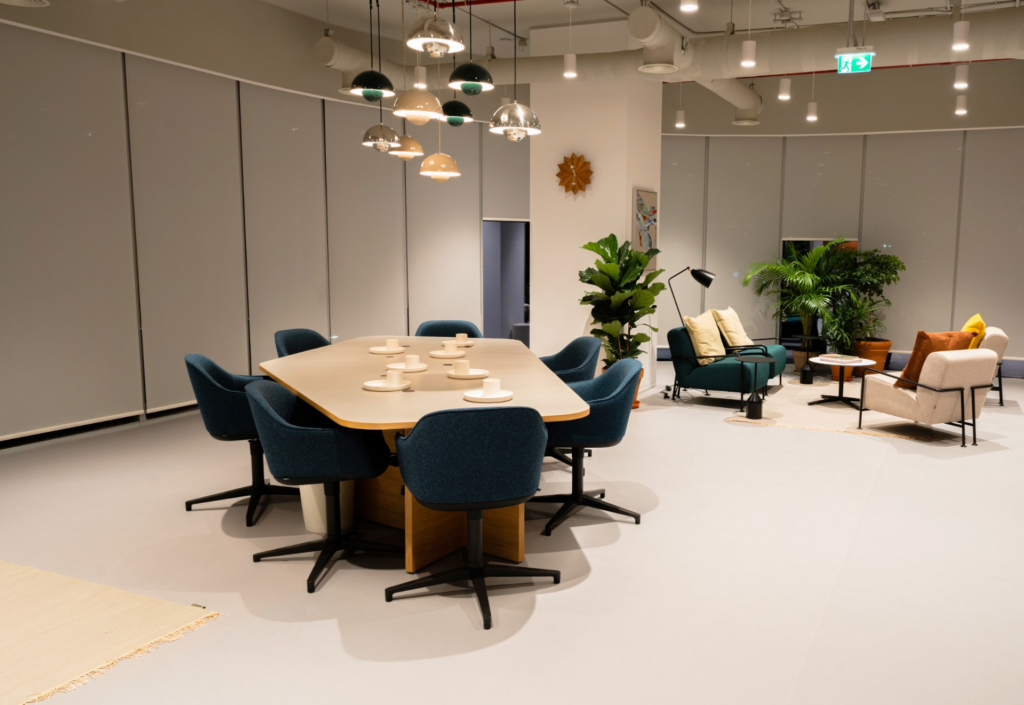
Walk into most offices, and you will notice the usual things. The layout, the lighting, the furniture. What you are less likely to notice, until it starts affecting you, is the sound. Or more accurately, the lack of control over it. Noise in the workplace is one of the most consistently overlooked aspects of office design, and it is one of the most damaging to productivity, focus, and employee well-being. As one of the best fit-out companies in Dubai, Westbrook Interiors has seen firsthand how much of a difference getting acoustics right makes and how costly it is to ignore. Why Acoustics Gets Left Out of the Conversation Acoustics rarely make it onto the priority list when businesses are planning an office fit-out. Most of the focus goes to how the space looks. Furniture, finishes, layout, and branding tend to dominate the brief. Sound is treated as something that will sort itself out or that can be addressed later with a few soft furnishings. The problem is that by the time acoustics becomes a visible issue, the fit-out is already complete. Walls are up, flooring is laid, and ceilings are finished. Making meaningful acoustic changes at that stage is expensive, disruptive, and often requires undoing work that has already been done. The smarter approach is to treat acoustics as a design consideration from the very beginning, at the same level of importance as lighting or layout. That is the approach that some of the best fit-out companies in Dubai bring to every project. What Poor Acoustics Actually Does to a Workplace The impact of poor acoustic design goes well beyond the annoyance of background noise. Research consistently shows that excessive noise is one of the leading causes of reduced concentration and productivity in office environments. Employees working in poorly designed acoustic spaces take longer to complete tasks, make more errors, and report higher levels of stress and fatigue. Open plan offices, which remain popular in Dubai and across the region, are particularly vulnerable. Without deliberate acoustic design, sound travels freely across the entire floor. Conversations bleed into focus zones. Phone calls disrupt meetings. Video calls create overlapping noise that makes it difficult to hear or think clearly. The result is a workspace that looks good on a tour but frustrates the people who use it every day. For any business investing in a fit-out, that is a poor return on what is typically a significant spend. What Good Acoustic Design Looks Like in Practice Good acoustic design is not about making an office completely silent. It is about giving different areas of the workplace the sound character they need to function well. Collaborative zones benefit from a level of ambient energy. Focus areas need quiet. Meeting rooms require privacy. Each space has its own acoustic requirement, and a well-designed fit-out addresses all of them. This is achieved through a combination of material choices, spatial planning, and specialist acoustic products. Ceiling treatments, wall panels, floor finishes, glazing specifications, and furniture placement all play a role. None of these decisions needs to compromise the visual quality of the space. In fact, many of the most effective acoustic solutions are also among the most attractive design elements in a well-executed office. As one of the best fit-out companies in Dubai, Westbrook Interiors integrates acoustic planning into every stage of the design process. The result is offices that not only look exceptional but genuinely work for the people inside them. Getting Acoustics Right From the Start The businesses that end up with the best office environments are the ones that think about acoustics before a single wall goes up. They ask the right questions at the brief stage, work with a fit-out partner who understands the issue, and make decisions that serve their teams for the long term. If you are planning an office fit-out and acoustics have not come up in the conversation yet, it should. The difference between an office that people enjoy working in and one they simply tolerate often comes down to how well sound has been managed. Westbrook Interiors brings the expertise, experience, and attention to detail that every office fit-out deserves. As one of the best fit-out companies in Dubai, we are here to make sure your space works as well as it looks. Visit westbrook-interiors.com to start the conversation. Frequently Asked Questions Why is acoustic design important in an office fit-out? Acoustic design directly affects how well people can focus, communicate, and collaborate in a workspace. Poor acoustics leads to increased noise distraction, reduced productivity, and higher stress levels among employees. Addressing acoustics during the fit-out stage is far more effective and cost-efficient than trying to resolve it after the space is complete. Is acoustic treatment only necessary for large offices? No. Acoustic issues can affect offices of any size. In fact, smaller open-plan offices can suffer more acutely because there is less distance between workstations and fewer barriers to absorb or redirect sound. Good acoustic design is relevant to any workspace where people need to concentrate, communicate, or meet privately. Does acoustic design affect how an office looks? Not negatively. Many acoustic solutions are designed to complement the visual quality of a space rather than compromise it. Ceiling baffles, wall panels, and acoustic furniture elements can all be specified to align with the overall design aesthetic. The best fit-out company in Dubai will integrate these elements seamlessly into the broader design. When in the fit-out process should acoustics be considered? Ideally, from the very beginning. Acoustic performance is influenced by spatial planning, material selection, ceiling height, partition placement, and flooring choices, all of which are decided early in the design process. Raising acoustics at the end of a project limits your options significantly. How does Westbrook Interiors approach acoustics in office fit-outs? Westbrook Interiors treats acoustics as an integral part of the design brief, not an afterthought. Our team evaluates the acoustic requirements of each zone within your office and makes design decisions that deliver